11.25 The Day He Chose His Own Fate

5.2

no information on the tagline

On November 25th 1970, a man committed ritual suicide inside the Tokyo headquarters of the Japanese Ministry of Defence, leaving behind a legacy of masterpieces and a controversy that echoes to this day. The man was Yukio Mishima, one of Japan's greatest and most celebrated novelists. With four members of his own private army - the Tatenokai - Mishima had taken the commandant hostage and called upon the assembled military outside the Ministry to overthrow their society and restore the powers of the Emperor. When the soldiers mocked and jeered Mishima, he cut short his speech and withdrew to the commandant's office where he committed seppuku - the samurai warrior's death - tearing open his belly with a ceremonial knife before being beheaded by one of his colleagues. What was Mishima truly trying to express through his actions? And what did he witness during his final moments?

$0

Budget

$0

Revenue

20-05-2012

Release Date

JP

Country

5.222

Rating

9

Votes

-

Age Rating

119 min

Runtime

Released

Status

Japanese

Language

Popular actors
Media

View all media:

All Media
Медиа изображение
Медиа изображениеМедиа изображениеМедиа изображение
Director
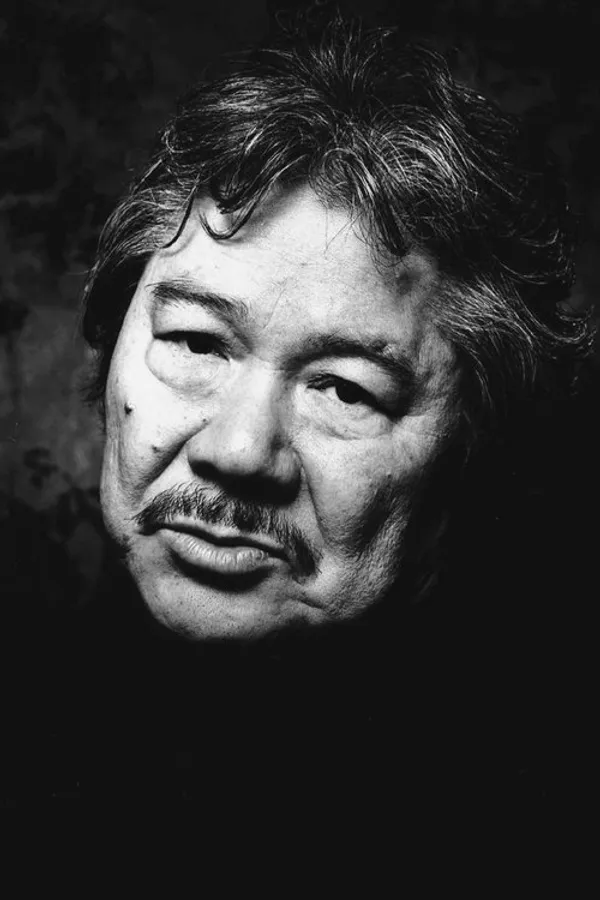
Kōji Wakamatsu

Kōji Wakamatsu

Kōji Wakamatsu (若松孝二 Wakamatsu Kōji, 1 April 1936 – 17 October 2012) was a Japanese film director who directed such pinku eiga films as Ecstasy of the Angels (天使の恍惚 Tenshi no Kōkotsu, 1972) and Go, Go, Second Time Virgin (ゆけゆけ二度目の処女 Yuke Yuke Nidome no Shojo, 1969). He also produced Nagisa Ōshima's controversial film In the Realm of the Senses (1976). He has been called "the most important director to emerge in the pink film genre," and one of "Japan's leading directors of the 1960s." His 2010 film, Caterpillar, was nominated for the Golden Bear at the 60th Berlin International Film Festival. Description above from the Wikipedia article Kōji Wakamatsu, licensed under CC-BY-SA, full list of contributors on Wikipedia.​
Related Movies

You might like it