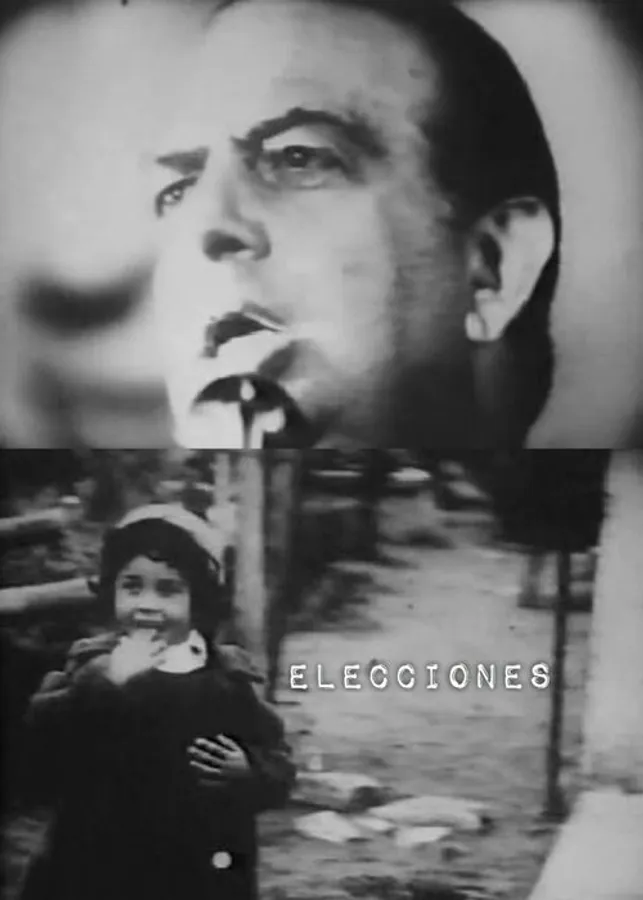
Como el Uruguay no hay

no information on the tagline

Early on, Ugo Ulive, with his short film Como el Uruguay no hay (1960), seeks to raise awareness and involve the viewer in political action and its radical transformation. Through a collage of animations, archival footage and a counterpoint sound montage, Ulive attacks traditional left-wing and right-wing politics and exposes the contradictions of a pillar of national identity: Uruguay's famous democracy. Note that we are in 1960 and while the voice over presents Montevideo as "a small agitated city", the images show a tense scenario with social protests and a politicized urban space with the presence of mounted police.

Ugo Ulive

Director

No information

Writers

No information

Producers

$0

Budget

$0

Revenue

01-01-1960

Release Date

ES

Country

-

Rating

-

Votes

-

Age Rating

10 min

Runtime

Released

Status

Spanish

Language

Popular actors
Media

View all media:

All Media

Нет информации по фоновой картинке

Медиа изображениеМедиа изображениеМедиа изображение
Director
Ugo Ulive

Ugo Ulive

Born in Montevideo (Uruguay) in 1933, he was a Uruguayan director, actor, playwright and novelist who later adopted Venezuelan nationality. He began his career as a radio actor at an early age. Determined to continue his acting career, he became part of the community of independent theater actors in Montevideo. There, seduced by direction rather than acting, Ulive developed his talent as a director of Theater and Lighting. At the same time, he explored the world of cinema by carrying out several short-term film projects. In 1961 he left for Havana, where he directed the National Theater of Cuba, continued his inclinations for the cinema, and founded the National School of Dramatic Arts, where he taught for several years. After a brief stay in Montevideo (1966-1967), an independent theater invited Ulive to work in Caracas (Venezuela) for a duration of three months, but he remained there for the rest of his life. There he continued his passion for theater and lighting direction, for cinema, dramaturgy and novels. In 1993, Ulive received the National Theater Award, recognition of the highest value in Venezuela.
Related Movies

There are no similar films yet.

You might like it

There are no recommended films yet.