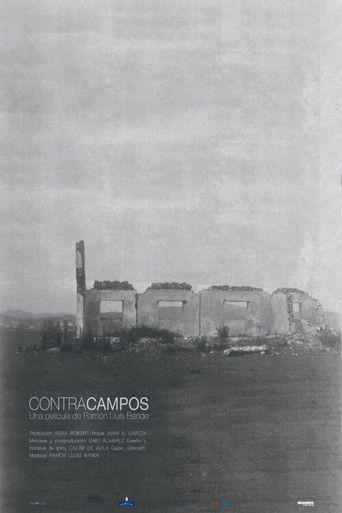
Ramón Lluís Bande, born in Xixón in 1972, is a filmmaker and writer. Among his films that explore the languages of non-fiction include titles such as "El fulgor" (2002), "Estratexa" (2003), "De la Fuente" (2004), "El paisano. Un retratu colectivu" (2005), "La carta de Bárbara" (2007), "Equí y n’otru tiempu" (2014), "El nome de los árboles" (2015) and "Vida vaquera" (2016). Among his fictions: "Malu" (1999), "L’aire les castañes" (2001), "Divina Lluz" (2005) or "Llar" (2014) –in collaboration with Elisa Cepedal-. He has also directed musical films for Nacho Vegas, Manta Ray, Mus, Viva Las Vegas or Aroah, among others. In recent years he has created and directed several documentary series for Asturian public television (RTPA), such as "Camín de cantares" (2007-2011), "Camín" (2012-2016), "Ende" (2012) –co-directed with Luis Argeo-, "Güelos" ( 2014) or "L'alzada" (2015). In the same channel for ten years he has directed the audiovisual magazine of Asturian culture, Pieces. With more than a dozen books published, a selection of his narrative work, originally written in Asturian, has been translated into Spanish in the volume "Las habitaciones Vacías" (2010).