

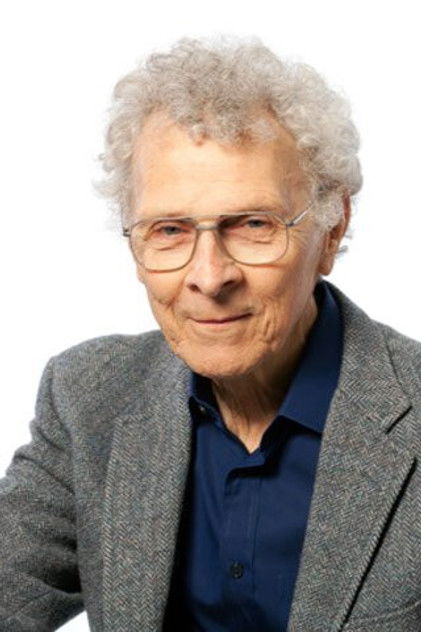
Bob Chitester
ProducerExecutive ProducerDirector
-
Birthday
-
Zodiac Sign
-
Genres
0
Total Films
Also known as (male)
Place of Birth
-
Birthday
-
Zodiac Sign
-
Genres
0
Total Films
-
Also Known As (male)
-
Place of Birth
-
Birthday
-
Zodiac Sign
-
Genres
0
Total Films
Also known as (male)
Place of Birth
-
Birthday
-
Zodiac Sign
-
Genres
0
Total Films
-
Also Known As (male)
-
Place of Birth
actor
0 Works
producer
33 Works
director
35 Works
writer
0 Works
other
1 Works

Sweden: Lessons for America?
It's been suggested that Americans would be better off if the United States was more like Sweden. Do the Swedes know something that we don't? Sweden: Lessons for America? A Personal Exploration by Johan Norberg delves into the economic and social landscape of the Swedish scholar's homeland. Join him to see that the lessons to be learned from Sweden may not be the ones you expect. The one-hour documentary follows Norberg on a journey through the history of Sweden's economic rise, from one of the poorest countries in the world to one of the most prosperous. The program illuminates key ideas and enterprises that sparked the reform and continue to help Sweden maintain its lofty economic position, including freedom of the press, free trade, new technology companies, crazy jobs and even an old Swedish superhero.Year:
2018

Trailblazers: The New Zealand Story
New Zealand is a place of great natural beauty and resources, of pioneering immigrants from the Maori to the more recent settlers. They’re fierce, hardy, and strong, able to withstand challenges like the massive economic challenge they faced in the mid 1980’s. With their economy unraveling, they made huge, controversial changes, including doing away with farm subsidies and protectionist import controls. At first, it hurt. A lot. But now, the farmers and the fishers, the people and the economy, are prospering. And they wouldn’t go back to subsidies, special interests, or support for manufacturers. Travel to New Zealand with scholar Johan Norberg to meet some amazing Kiwis and see how they blazed a trail to economic prosperity.Year:
2017
The Power of the Poor
To those who watch television in the developed world, there doesn’t seem to be a better system on earth than the capitalist system. We are experiencing the longest economic expansion in modern history. Soviet Communism has been defeated. But make no mistake, as we will demonstrate in this program, capitalism is surprisingly vulnerable. The moment of capitalism’s greatest triumph is the moment of its greatest crisis, its “Moment of Truth”....Year:
2009
The Power of the Market
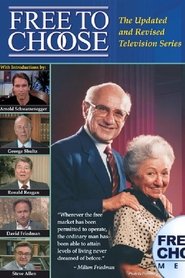
Dr. Friedman states, "There is not a single person in the world who can make this pencil." He explains that the creation of even a simple object - like the "lead" pencil - requires the knowledge of many people, lumberjacks, steel manufacturers, miners, etc. These people may not speak the same language, they may not know or like one another, yet the market enables them to combine knowledge and effort to produce wealth.Year:
1990
The Power of the Market
Dr. Friedman states, "There is not a single person in the world who can make this pencil." He explains that the creation of even a simple object - like the "lead" pencil - requires the knowledge of many people, lumberjacks, steel manufacturers, miners, etc. These people may not speak the same language, they may not know or like one another, yet the market enables them to combine knowledge and effort to produce wealth.Year:
1990
Good Intentions
Walter Williams critiques the war on poverty, schooling, and more in this public television documentary based on Walter Williams' book 'The State Against Blacks'.Year:
1985
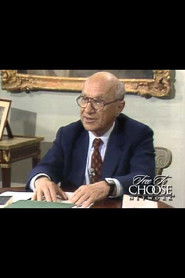
Tyranny of the Status Quo: Beneficiaries
'Beneficiaries' is the first part of the 'Tyranny of the Status Quo' series, featuring Dr. Friedman discussing topics with a select group of college students.Year:
1984
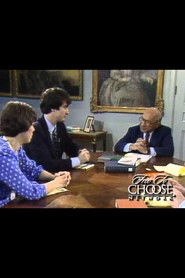
Tyranny of the Status Quo: Bureaucrats
Milton sits with a panel of students to discuss the always exciting topic of bureaucrats!Year:
1984
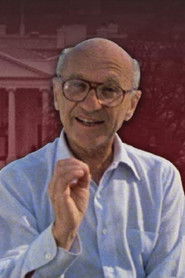
Tyranny of the Status Quo: Politicians
The final part of the 'Tyranny of the Status Quo' series features Dr. Friedman discussing politicians with a panel of students.Year:
1984
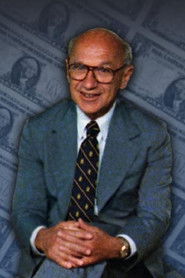
How to Stay Free
Democracies have only recently been considered desirable. Historically, it was feared that democracies always self destruct when citizens, forgetting that you cannot remove want and misery through legislation, insist on government actions that physically and morally bankrupt their nation. Friedman explains why the United States has so far avoided this outcome and how we can continue to do so.Year:
1980
How to Cure Inflation
Inflation results when the amount of money printed or coined increases faster than the creation of new goods and services. Money is a "token" of the wealth of a nation. If more tokens are created than new wealth, it takes more tokens to buy the same goods. Friedman explains why politicians like inflation, and why wage and price controls are not solutions to the problem. Friedman visits Japan, U.S. and Britain.Year:
1980
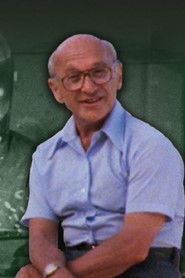
Who Protects the Worker?
Unions sometimes protect some workers - their members - but usually at the expense of other workers. Government protects its employees and special groups of workers at the expense of other workers. Both unions and government restrict freedom. Friedman explains how the competition of employers for the talents of workers leads to the highest wages and best working conditions.Year:
1980
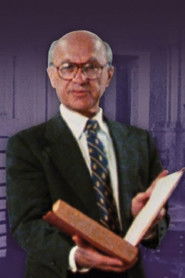
Who Protects the Consumer?
Various government agencies have been created on the claim that they will protect the consumer. These agencies restrict freedom, stifle beneficial innovation, and become agents for the industries or groups they are intended to regulate. Friedman explains how the apparent chaos of the market place, the competition of many suppliers for business, is the best protection of consumer interests.Year:
1980
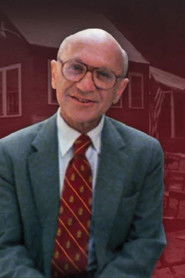
What's Wrong with Our Schools
Parental choice and parental responsibility in the education of children is the U.S. tradition and is consistent with a free society. Centralized government control has eroded freedom and adversely affected the quality of education. The poor help pay for education for the future rich. Friedman has long advocated using vouchers to solve the problem. He explains why. Friedman visits U.S. and Britain.Year:
1980
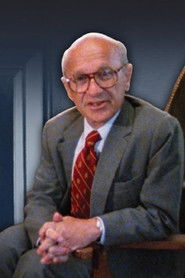
Created Equal
The Declaration of Independence says, "all men are created equal." Friedman explains that this did not mean all persons should or will have equal talents or income. Equal opportunity to better one's self, and the right to personally benefit from the gains realized, are consistent with freedom. Equality of results requires force. Taking from some to give to others destroys freedom and removes the incentive for creating new wealth. Friedman visits India, U.S. and Britain.Year:
1980
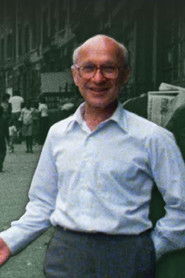
From Cradle to Grave
The welfare state arises from the attempt to do good with other people's money. Such attempts always fail because: Nobody spends somebody else's money as carefully as his own. Welfare is supply driven. Those spending the money use force to collect it and to insure those receiving it use it for "right" purposes. Good intentions are corrupted by bad means. Friedman visits U.S. and Britain.Year:
1980
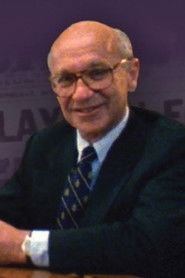
Anatomy of Crisis
The Great Depression has been popularly viewed as a failure of capitalism. The stock market crash, the failure of the Bank of the United States, loss of personal savings, were visible symbols supporting this belief. As Friedman explains, the real cause was the unseen failure of government policy and action. Yet this crisis resulting from government failure leads to decades of government expansion.Year:
1980
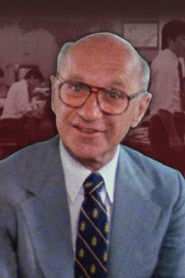
The Tyranny of Control
Government planning and detailed control of economic activity lessens productive innovation, and consumer choice. Good, better, best, are replaced by "approved" or "authorized." Friedman shows how "established" industries or methods, seek government protection or subsidization in their attempts to stop or limit product improvements which they don't control. Friedman visits India, Japan and U.S.Year:
1980
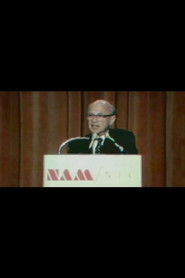
The Future of Our Free Society
Lecture given at National Association of Manufacturers/National Industrial Council, Congress of American Industry in Washington, D.C. as part of the 'Milton Friedman Speaks' series.Year:
1978
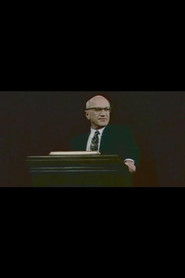
The Role of Government in a Free Society
Lecture given at Stanford University as part of the 'Milton Friedman Speaks' series.Year:
1978
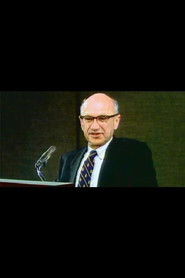
The Energy Crisis: A Humane Solution
Lecture given at Bank of America in San Francisco, CA as part of the 'Milton Friedman Speaks' series.Year:
1978
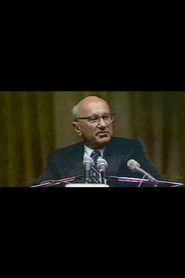
Equality and Freedom in the Free Enterprise System
Lecture given at William and Mary College as part of the 'Milton Friedman Speaks' series.Year:
1978
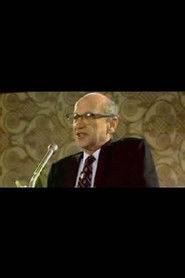
Money and Inflation
Lecture given at University of San Diego & San Diego Chamber of Commerce as part of the 'Milton Friedman Speaks' series.Year:
1978
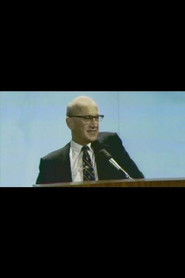
Free Trade: Producer Versus Consumer
Landon Lecture given at Kansas State University as part of the 'Milton Friedman Speaks' series.Year:
1978
Myths That Conceal Reality
Lecture given at Utah State University as part of the 'Milton Friedman Speaks' series.Year:
1978
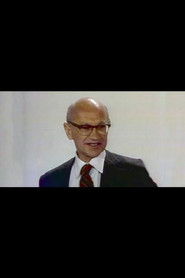
Who Protects the Consumer?
Lecture given at Ford Foundation in New York City as part of the 'Milton Friedman Speaks' series.Year:
1978
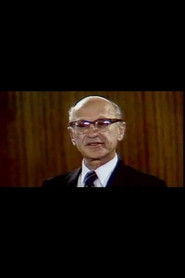
What is America?
Lecture given at University of Chicago as part of the 'Milton Friedman Speaks' series.Year:
1978
Is Capitalism Humane?
Lecture given at Cornell University as part of the 'Milton Friedman Speaks' series.Year:
1978
What is Wrong with the Welfare State?
Lecture given at University of Rochester as part of the 'Milton Friedman Speaks' series.Year:
1978
The Economics of Medical Care
Lecture given at The Mayo Clinic in Rochester, MN as part of the 'Milton Friedman Speaks' series.Year:
1978
Putting Learning Back in the Classroom
Lecture given at Harlem Parents for Vouchers in New York City as part of the 'Milton Friedman Speaks' series.Year:
1978
Who Protects the Worker?
Lecture given at WQLN TV in Erie, Pennsylvania as part of the 'Milton Friedman Speaks' series.Year:
1978
Is Tax Reform Possible?
Lecture given at Americanism Education League in Pasadena, CA as part of the 'Milton Friedman Speaks' series.Year:
1978