

Christophe Kilian
Director
-
Birthday
-
Zodiac Sign
-
Genres
0
Total Films
Also known as (female)
Place of Birth
-
Birthday
-
Zodiac Sign
-
Genres
0
Total Films
-
Also Known As (female)
-
Place of Birth
-
Birthday
-
Zodiac Sign
-
Genres
0
Total Films
Also known as (female)
Place of Birth
-
Birthday
-
Zodiac Sign
-
Genres
0
Total Films
-
Also Known As (female)
-
Place of Birth
actor
0 Works
producer
0 Works
director
5 Works
writer
1 Works
other
2 Works

Will We All Be Blind Tomorrow?
Short-sightedness is reaching epidemic proportions. Some scientists think they have found a reason why. East Asia has been gripped by an unprecedented rise in myopia. Today, up to 90% of Chinese teenagers and young adults are short-sighted. Other parts of the world have also seen a dramatic increase in the condition, which now affects around half of young adults in the USA and Europe. By some estimates, the world may count nearly half a billion of blind people in 2050. In severe cases, the deformation of the eyeball increases the risk of retinal detachment, cataracts, glaucoma and even blindness. About one-fifth of university-aged people in East Asia now have this extreme form of myopia, and half of them are expected to develop irreversible vision loss. This threat has prompted a rise in research to try to understand the causes of the disorder — and scientists are beginning to find answers…Year:
2018
Will We All Be Blind Tomorrow?
Short-sightedness is reaching epidemic proportions. Some scientists think they have found a reason why. East Asia has been gripped by an unprecedented rise in myopia. Today, up to 90% of Chinese teenagers and young adults are short-sighted. Other parts of the world have also seen a dramatic increase in the condition, which now affects around half of young adults in the USA and Europe. By some estimates, the world may count nearly half a billion of blind people in 2050. In severe cases, the deformation of the eyeball increases the risk of retinal detachment, cataracts, glaucoma and even blindness. About one-fifth of university-aged people in East Asia now have this extreme form of myopia, and half of them are expected to develop irreversible vision loss. This threat has prompted a rise in research to try to understand the causes of the disorder — and scientists are beginning to find answers…Year:
2018
Will We All Be Blind Tomorrow?
Short-sightedness is reaching epidemic proportions. Some scientists think they have found a reason why. East Asia has been gripped by an unprecedented rise in myopia. Today, up to 90% of Chinese teenagers and young adults are short-sighted. Other parts of the world have also seen a dramatic increase in the condition, which now affects around half of young adults in the USA and Europe. By some estimates, the world may count nearly half a billion of blind people in 2050. In severe cases, the deformation of the eyeball increases the risk of retinal detachment, cataracts, glaucoma and even blindness. About one-fifth of university-aged people in East Asia now have this extreme form of myopia, and half of them are expected to develop irreversible vision loss. This threat has prompted a rise in research to try to understand the causes of the disorder — and scientists are beginning to find answers…Year:
2018

Les Nouveaux Secrets de notre hérédité
Year:
2015
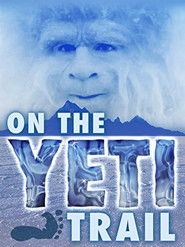
On the Yeti Trail
For the first time in over a century, Yeti legends and personal accounts have become the subject of scientific studies. Does the Yeti really exist? Fascinating and thorough, our film sets out to meet the teams involved in this strange race across the world, featuring laboratories, hair analysis, footprints and DNA as well as the search for samples in Indonesia and in Canadian nature reserves.Year:
2014