

Conor Bateman
Director
-
Birthday
-
Zodiac Sign
-
Genres
0
Total Films
Also known as (female)
Place of Birth
-
Birthday
-
Zodiac Sign
-
Genres
0
Total Films
-
Also Known As (female)
-
Place of Birth
-
Birthday
-
Zodiac Sign
-
Genres
0
Total Films
Also known as (female)
Place of Birth
-
Birthday
-
Zodiac Sign
-
Genres
0
Total Films
-
Also Known As (female)
-
Place of Birth
actor
0 Works
producer
0 Works
director
12 Works
writer
0 Works
other
7 Works
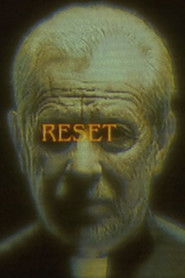
RESET
Commissioned for the Australian Centre of the Moving Image (ACMI) exhibition The Future & Other Fictions, this essayistic collage work explores the cinematic world of cyberpunk, from sprawling dystopian megacities to the digital playground of cyberspace.Year:
2024
RESET
Commissioned for the Australian Centre of the Moving Image (ACMI) exhibition The Future & Other Fictions, this essayistic collage work explores the cinematic world of cyberpunk, from sprawling dystopian megacities to the digital playground of cyberspace.Year:
2024
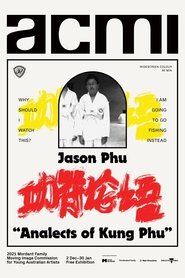
Analects of Kung Phu: Book 1, The 69 Dialogues between the Lamp and the Shadow
Reclaiming wise sayings from movies and TV shows like Drunken Master (1978) and Avatar the Last Airbender (2005–08), Analects of Kung Phu presents a moving image philosophy for surviving contemporary life. Taught by action stars but inspired by classic Chinese texts like Lao Zi’s Dao De Jing, the work questions whether these life lessons are genuinely useful. The film explores how wisdom can be oversimplified and misused, how film subtitles miss the mark or even present a completely different narrative, and how we are guided in our day-to-day life by the movies we watch.Year:
2021
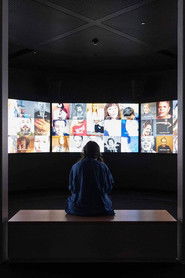
You Will See Me
A five-channel video installation commissioned for the permanent exhibition space at the Australian Centre of the Moving Image (ACMI). “The camera doesn’t just capture us, it frames who we are and how we’re seen. Since the camera became more accessible in the mid-20th century, artists and amateurs alike have turned the lens on themselves to create a stage both private and public. This tradition is continued, amplified and transformed through reality TV, the internet and social media, the latest forms to use straight-to-camera techniques to share our common humanity, project authenticity and illuminate how a sense of self can be constructed through the moving image.”Year:
2021
You Will See Me
A five-channel video installation commissioned for the permanent exhibition space at the Australian Centre of the Moving Image (ACMI). “The camera doesn’t just capture us, it frames who we are and how we’re seen. Since the camera became more accessible in the mid-20th century, artists and amateurs alike have turned the lens on themselves to create a stage both private and public. This tradition is continued, amplified and transformed through reality TV, the internet and social media, the latest forms to use straight-to-camera techniques to share our common humanity, project authenticity and illuminate how a sense of self can be constructed through the moving image.”Year:
2021
You Will See Me
A five-channel video installation commissioned for the permanent exhibition space at the Australian Centre of the Moving Image (ACMI). “The camera doesn’t just capture us, it frames who we are and how we’re seen. Since the camera became more accessible in the mid-20th century, artists and amateurs alike have turned the lens on themselves to create a stage both private and public. This tradition is continued, amplified and transformed through reality TV, the internet and social media, the latest forms to use straight-to-camera techniques to share our common humanity, project authenticity and illuminate how a sense of self can be constructed through the moving image.”Year:
2021
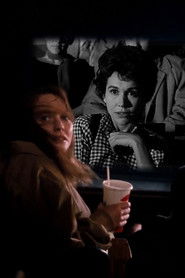
Runtime
Conor Bateman has sliced clips from (mainly American) horror films in which a cinema audience is slain schlockily in a theatre – an overlooked, self-reflexive trope across the genre. In each sequence, the screen is masked out to reveal the prior sequence: each audience is successively watching the killings that we, the actual audience, have just seen. The onscreen audience never leaves the theatre – there’s nowhere else in this world beyond the cinema, and the scenes of entrapment and containment play out in similarly-framed spaces of chaos (what if what we watched onscreen leaked out?). Without a scrap of ideology-addled earnestness, the tone moves from playful to inevitable. Like a game, it all loops together in an oddly fun, self-sustaining spiral of dramatic irony.Year:
2019
Runtime
Conor Bateman has sliced clips from (mainly American) horror films in which a cinema audience is slain schlockily in a theatre – an overlooked, self-reflexive trope across the genre. In each sequence, the screen is masked out to reveal the prior sequence: each audience is successively watching the killings that we, the actual audience, have just seen. The onscreen audience never leaves the theatre – there’s nowhere else in this world beyond the cinema, and the scenes of entrapment and containment play out in similarly-framed spaces of chaos (what if what we watched onscreen leaked out?). Without a scrap of ideology-addled earnestness, the tone moves from playful to inevitable. Like a game, it all loops together in an oddly fun, self-sustaining spiral of dramatic irony.Year:
2019
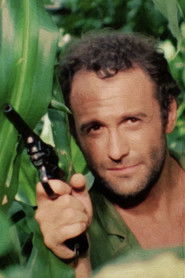
Hollow Jungle
Somewhere between Sri Lanka and the island of New Guinea, in the upper reaches of the Amazonia jungle, there is rumoured to be a lost tribe of cannibals. Assembled out of Italo cannibal mondo movies, Hollow Jungle documents their rituals, sourcing their power in narrative repetitions and analogies, before structurally locating them in the prurient pathologies of certain pseudo-ethnographies.Year:
2019
Hollow Jungle
Somewhere between Sri Lanka and the island of New Guinea, in the upper reaches of the Amazonia jungle, there is rumoured to be a lost tribe of cannibals. Assembled out of Italo cannibal mondo movies, Hollow Jungle documents their rituals, sourcing their power in narrative repetitions and analogies, before structurally locating them in the prurient pathologies of certain pseudo-ethnographies.Year:
2019
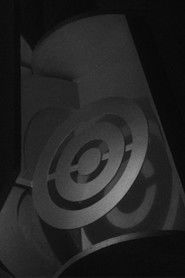
The New Monuments
Artists like Robert Smithson, Donald Judd and Peter Hutchinson borrowed liberally from science fiction film and literature in their work. This collage treats the marvellous, seemingly indestructible, objects of mid-century science fiction cinema as artworks in their own right.Year:
2018
The New Monuments
Artists like Robert Smithson, Donald Judd and Peter Hutchinson borrowed liberally from science fiction film and literature in their work. This collage treats the marvellous, seemingly indestructible, objects of mid-century science fiction cinema as artworks in their own right.Year:
2018