

Grigorijus Kanovičius
Writer
-
Birthday
-
Zodiac Sign
-
Genres
0
Total Films
Also known as (male)
Place of Birth
-
Birthday
-
Zodiac Sign
-
Genres
0
Total Films
-
Also Known As (male)
-
Place of Birth
-
Birthday
-
Zodiac Sign
-
Genres
0
Total Films
Also known as (male)
Place of Birth
-
Birthday
-
Zodiac Sign
-
Genres
0
Total Films
-
Also Known As (male)
-
Place of Birth
actor
0 Works
producer
0 Works
director
9 Works
writer
9 Works
other
0 Works
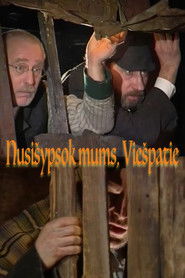
Smile Upon Us, Lord
Will history be able to triumph, and misfortune and loss turn into joy? Everything is possible in the theater.Year:
1994

Wild Violets
It is the year 1947. The war is over but Estonian forests are still hiding armoured men. When the message comes that Western spies will arrive to support the local bushwhackers, security officer Rein Taim starts to lead the counter operation of the Communist Secret Police in order to catch the Western diversionists and the leader of the Estonian bushwhackers.Year:
1980
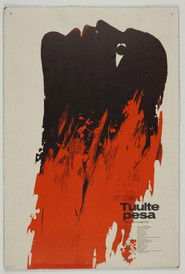
Nest of Winds
Set in the post-war years when sovietization was still being resisted by partisans, often at the expense of a farming population intent on rebuilding.Year:
1979
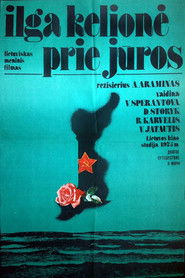
Long Journey To The Sea
"He is going to the sea with Her to spend their holidays and celebrate the wedding. An old woman is in the compartment with them. She tells them about her son, whom she is going to visit. The young people decide to celebrate the wedding right now, on the train. When they come to the sea, they see the old woman again not far from the beach. She says to Him: "Hello, son! It's me, your mother... "Year:
1976

Wounds of Our Land
Tragic pages in the history of the formation of the independent Lithuanian state in 1918-20.Year:
1971
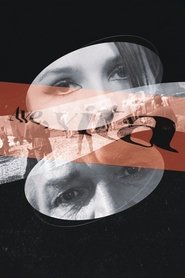
Ave, Vita
Film - Reflection. The characters are the people who survived the war, the horror of the fascist concentration camps and the danger of suffocation, as well as those whose parents past is known only theoreticallyYear:
1969
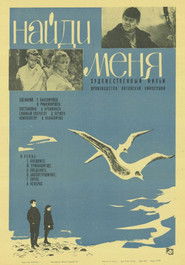
Surask mane
Year:
1967
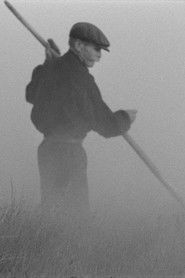
The Old Man and the Land
Robertas Verba’s first documentary film, described by film critic Živile Pipinyte as “the ‘ice-breaker’ which broke through the ice of Soviet ideology to form the peculiar stylistics of Lithuanian documentary film.” The hero of this film is the bright Lithuanian villager Anupras, whose archaic worldview becomes a symbol of the ethno-cultural Lithuanian identity that was often opposed to the identity constructed by Soviet propaganda.Year:
1965
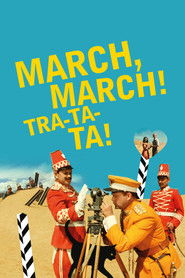
March, march! Tra-ta-ta!
Directed by Raimondas Vabalas, an eccentric and buffoonish tragicomedy and a satirical pamphlet, making fun of chauvinism and petty politicians.Year:
1964