

Heiner Mühlenbrock
DirectorWriter
-
Birthday
-
Zodiac Sign
-
Genres
0
Total Films
Also known as (female)
Place of Birth
-
Birthday
-
Zodiac Sign
-
Genres
0
Total Films
-
Also Known As (female)
-
Place of Birth
-
Birthday
-
Zodiac Sign
-
Genres
0
Total Films
Also known as (female)
Place of Birth
-
Birthday
-
Zodiac Sign
-
Genres
0
Total Films
-
Also Known As (female)
-
Place of Birth
actor
0 Works
producer
0 Works
director
8 Works
writer
2 Works
other
2 Works
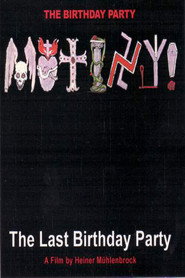
Mutiny! The Last Birthday Party
When director Heiner Mühlenbrock showed up with his cameras to document the tense April 1983 recording sessions for the final Birthday Party EP, Mutiny!, the group was well beyond the verge of dissolution and barely on speaking terms. Mutiny! was cut at Hansa Ton studios in Berlin.Year:
2008
Keine Hand wäscht die Andere
On the run from her criminal Italian husband, a young French woman meets a German lover in West Berlin who offers her shelter but who also gets entangled in her threatened life ever deeper.Year:
1988
Keine Hand wäscht die Andere
On the run from her criminal Italian husband, a young French woman meets a German lover in West Berlin who offers her shelter but who also gets entangled in her threatened life ever deeper.Year:
1988
Keine Hand wäscht die Andere
On the run from her criminal Italian husband, a young French woman meets a German lover in West Berlin who offers her shelter but who also gets entangled in her threatened life ever deeper.Year:
1988
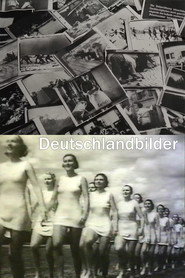
Deutschlandbilder
This compilation film focuses on the contents of Nazi propaganda shorts such as "The Beauty of Work" (1934), "We Have No Problems" (1933), or "The Will To Live" (1944) that preceded the feature films in German movie theaters between 1933 and 1945. The shorts reveal that men and women workers were idealized, uniformity was stressed, optimism in the face of adversity was the goal, and, in general, all the classic lies that dictatorships use to control and mold their citizens are featured.Year:
1983
Deutschlandbilder
This compilation film focuses on the contents of Nazi propaganda shorts such as "The Beauty of Work" (1934), "We Have No Problems" (1933), or "The Will To Live" (1944) that preceded the feature films in German movie theaters between 1933 and 1945. The shorts reveal that men and women workers were idealized, uniformity was stressed, optimism in the face of adversity was the goal, and, in general, all the classic lies that dictatorships use to control and mold their citizens are featured.Year:
1983
Okay okay. Der moderne Tanz
Essay film about music and urbanity.Year:
1980
Okay okay. Der moderne Tanz
Essay film about music and urbanity.Year:
1980