Jerry Krepakevich
-
Birthday
-
Zodiac Sign
-
Genres
0
Total Films
Jerry Krepakevitch
Also known as (male)
Place of Birth
-
Birthday
-
Zodiac Sign
-
Genres
0
Total Films
Jerry D. Krepakevich, Jerry Krepakevitch
Also Known As (male)
-
Place of Birth
-
Birthday
-
Zodiac Sign
-
Genres
0
Total Films
Jerry Krepakevitch
Also known as (male)
Place of Birth
-
Birthday
-
Zodiac Sign
-
Genres
0
Total Films
Jerry D. Krepakevich, Jerry Krepakevitch
Also Known As (male)
-
Place of Birth
actor
0 Works
producer
18 Works
director
21 Works
writer
0 Works
other
3 Works

Totem: The Return of the G'psgolox Pole
This feature-length documentary traces the journey of the Haisla people to reclaim the G'psgolox totem pole that went missing from their British Columbia village in 1929. The fate of the 19th century traditional mortuary pole remained unknown for over 60 years until it was discovered in a Stockholm museum where it is considered state property by the Swedish government. Director Gil Cardinal combines interviews, striking imagery and rare footage of master carvers to raise questions about ownership and the meaning of Aboriginal objects held in museums.Year:
2003

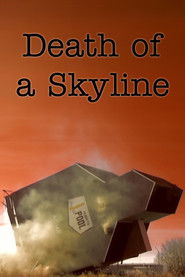
Death of a Skyline
A group of citizens lobbied to save the landmark Alberta Wheat Pool grain elevator, one of the defining features of Mayerthorpe’s landscape, from being torn down in 2003 - as thousands of others had been. This film documents those efforts while exploring the broader history and significance of the grain elevator.Year:
2003
How the Fiddle Flows
How the Fiddle Flows follows Canada's great rivers west along the fur-trading route of the early Europeans. The newcomers introduced the fiddle to the Aboriginal people they intermarried with along the way. A generation later, their mixed-blood offspring would blend European folk tunes with First Nations rhythms to create a rich and distinct musical tradition. From the Gaspé Peninsula, north to Hudson Bay and to the Prairies, How the Fiddle Flows reveals how a distinctive Metis identity and culture were shaped over time. Featuring soaring performances by some of Canada's best known fiddlers and step dancers and narrated by award-winning actress Tantoo Cardinal.Year:
2002

Truckers: A Road Well Traveled
Documents the lives of three long-haul truck drivers whose routes take them throughout North America - even to the Arctic. The complexity of their work is on display as bad weather, unsafe driving conditions, and rising fuel prices add to the stress of being away from home for weeks at a time. Even so, the film celebrates the joy of the open road and a spirit of independence.Year:
2001
Forgotten Warriors
This documentary introduces us to thousands of Indigenous Canadians who enlisted and fought alongside their countrymen and women during World War II, even though they could not be conscripted. Ironically, while they fought for the freedom of others, they were being denied equality in their own country and returned home to find their land seized.Year:
1997
The Road Taken
This 1996 documentary takes a nostalgic ride through history to present the experiences of Black sleeping-car porters who worked on Canada's railways from the early 1900s through the 1960s. There was a strong sense of pride among these men and they were well-respected by their community. Yet, harsh working conditions prevented them from being promoted to other railway jobs until finally, in 1955, porter Lee Williams took his fight to the union.Year:
1996
The Sterilization of Leilani Muir
The life and times of Leilani Muir, the first person to file a lawsuit against the Alberta provincial government for wrongful sterilization under the Sexual Sterilization Act of Alberta.Year:
1996
No Turning Back
This film follows the aftermath of the Oka crisis, which brought Indigenous rights into sharp focus. After the barricades came down, the Royal Commission on Aboriginal Peoples was created, and travelled to more than 100 communities and heard from more than 1,000 representatives. For two-and-a-half years, teams of Indigenous filmmakers followed the Commission on its journey.Year:
1996
Cactus Swing
The West. A prospector is awakened by the sound of music outside his cave to see an animal band and a chorus line of dancing cacti.Year:
1995

Movie Showman
This short film portrays the NFB's itinerant projectionists during the ’40s and early ’50s who travelled throughout Canada, bringing films and discussions to rural communities. The film uses a mix of dramatic re-enactments with archival footage and interviews with veterans of the movie circuit to shed light on an important period in Canadian film history.Year:
1989

Foster Child
Gil Cardinal searches for his natural family and an understanding of the circumstances that led to his becoming a foster child. An important figure in the history of Canadian Indigenous filmmaking, Gil Cardinal was born to a Métis mother but raised by a non-Indigenous foster family, and with this auto-biographical documentary he charts his efforts to find his biological mother and to understand why he was removed from her. Considered a milestone in documentary cinema, it addressed the country’s internal colonialism in a profoundly personal manner, winning a Special Jury Prize at Banff and multiple international awards.Year:
1987

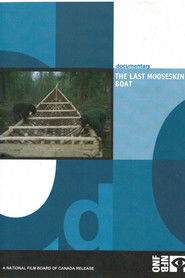
The Last Mooseskin Boat
This short documentary follows Gabe Etchinelle as builds a mooseskin boat as a tribute to an earlier way of life, where the Shotah Dene people would use a mooseskin boats and transport their families and cargo down mountain rivers to trading settlements throughout the Northwest Territories.Year:
1982

Grain Elevator
This documentary short is a visual portrait of “Prairie Sentinels,” the vertical grain elevators that once dotted the Canadian Prairies. Surveying an old diesel elevator’s day-to-day operations, this film is a simple, honest vignette on the distinctive wooden structures that would eventually become a symbol of the Prairie provinces.Year:
1981

Getting Started
A concert pianist prepares to begin his practising for a major concert coming up. Unfortunately, he has this procrastination problem that prevents him from getting any serious time done, even when his frustration with it literally driving him into a frenzy.Year:
1979

John Law and the Mississippi Bubble
One of the most sensational get-rich-quick schemes that took place in France over 200 years ago with economist John Law at the helm.Year:
1978
A House on The Prairie
This documentary describes the unfortunate legacy of the lone house on the prairie, an example of a dwelling entirely unsuited for the harsh winter or summer. We meet some builders and homeowners experimenting with more energy-efficient designs, such as the dome, the underground house and a ranch with wind, solar energy and methane gas from animal waste.Year:
1978

The McIntyre Block
A turn of the 20th Century office block at Portage and Main. What was once Winnipeg's most prestigious commercial address has become a catch-all for the marginalized and history's leftovers. A snapshot of a fading era, now gone for good.Year:
1977
Oh, Sure
The very short animation by Richard Condie is a lesson in how to make a fool of oneself easily and effectively. Two gentlemen are involved: one who wishes to read his newspaper and another who insists on performing acrobatic feats. Although the outcome is surprising, the message is clear: going to great lengths to impress one's neighbor is futile.Year:
1977