

José de Sá Caetano
DirectorWriter
-
Birthday
-
Zodiac Sign
-
Genres
0
Total Films
Also known as (female)
Place of Birth
-
Birthday
-
Zodiac Sign
-
Genres
0
Total Films
-
Also Known As (female)
-
Place of Birth
-
Birthday
-
Zodiac Sign
-
Genres
0
Total Films
Also known as (female)
Place of Birth
-
Birthday
-
Zodiac Sign
-
Genres
0
Total Films
-
Also Known As (female)
-
Place of Birth
actor
0 Works
producer
0 Works
director
12 Works
writer
5 Works
other
3 Works

Maria e as Outras
Maria, an executive from Oporto, lives in the search of the right man for her. On the other hand, her two friends, Joana, a doctor that has fallen in love to a co-worker, and Isilda, a hairdresser with an open hart and an adventurous spirit, seem to be happy with their lives. One day though, everything changes. Maria is forced to take care of her father, victim of a brain accident. During these days of turbulence, Maria thinks she has found the perfect man, a mysterious Star, an habitué of chat channels on the Internet. The three friends find out that cense of humour can be the key for a happy life. Internet, romance, a bachelor party; marriage, dates and some adventures are Loving Maria. A film where love shows himself with the most different looks. Love arrives when you don't expect it and goes away when you think it is safe. It can even appear in the light of a mobile computer.Year:
2004
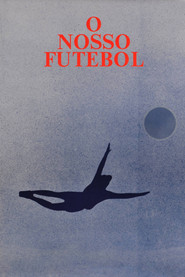
O Nosso Futebol
One hundred years of Portuguese Football, from the first public experiments in 1888, in Cascais, the evolution in the twenties, the National Stadium, the glory of the sixties, the 25th of April until 1984.Year:
1985

White Nights
After his plane crashes in Siberia, a Russian dancer, who defected to the West, is held prisoner in the Soviet Union. The KGB keeps him under watch and tries to convince him to become a dancer for the Kirov Academy of Ballet again. Determined to escape, he befriends a black American expatriate and his pregnant Russian wife, who agree to help him escape to the American Embassy.Year:
1985
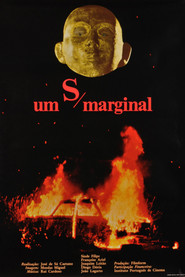
Um S Marginal
In the near future, along the Portuguese coast, a network of ocean and solar power transformers will be installed. With the ecological balance seriously threatened, domestic animals disappear from the cities and return to wildlife in upland areas. On hearing of his sister's death in a road disaster, Jorge tries to warn his father - who, meanwhile, leaves for a secretly kept house, as a refuge and resting place.Year:
1983
Um S Marginal
In the near future, along the Portuguese coast, a network of ocean and solar power transformers will be installed. With the ecological balance seriously threatened, domestic animals disappear from the cities and return to wildlife in upland areas. On hearing of his sister's death in a road disaster, Jorge tries to warn his father - who, meanwhile, leaves for a secretly kept house, as a refuge and resting place.Year:
1983
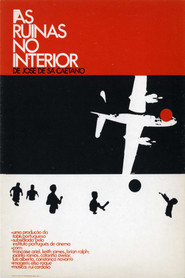
As Ruínas no Interior
During World War II, during a misty morning, near a fishermen's village, four children come across two RAF pilots ejected from a plane that crashed in the sea.Year:
1977
As Ruínas no Interior
During World War II, during a misty morning, near a fishermen's village, four children come across two RAF pilots ejected from a plane that crashed in the sea.Year:
1977
As Ruínas no Interior
During World War II, during a misty morning, near a fishermen's village, four children come across two RAF pilots ejected from a plane that crashed in the sea.Year:
1977
As Ruínas no Interior
During World War II, during a misty morning, near a fishermen's village, four children come across two RAF pilots ejected from a plane that crashed in the sea.Year:
1977
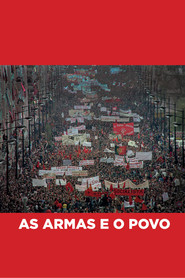
As Armas e o Povo
Film directors with hand-held cameras went to the streets of Lisbon from April 25 to May 1, 1974, registering interviews and political events of the Portuguese "Carnations Revolution", as that period would be later known.Year:
1975
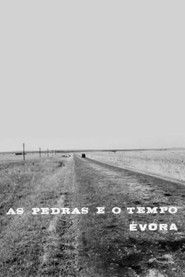
As Pedras e o Tempo
Documentary short film on the city of Évora, Portugal. Usually regarded as the first film of the Portuguese New Wave.Year:
1961
As Pedras e o Tempo
Documentary short film on the city of Évora, Portugal. Usually regarded as the first film of the Portuguese New Wave.Year:
1961