

Kan Kikuchi
Writer
26-12-1888
Birthday
Capricorn
Zodiac Sign
-
Genres
0
Total Films
Also known as (male)
Place of Birth
26-12-1888
Birthday
Capricorn
Zodiac Sign
-
Genres
0
Total Films
-
Also Known As (male)
-
Place of Birth
26-12-1888
Birthday
Capricorn
Zodiac Sign
-
Genres
0
Total Films
Also known as (male)
Place of Birth
26-12-1888
Birthday
Capricorn
Zodiac Sign
-
Genres
0
Total Films
-
Also Known As (male)
-
Place of Birth
actor
0 Works
producer
0 Works
director
19 Works
writer
19 Works
other
0 Works
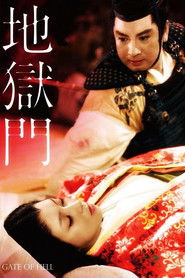
Gate of Hell
Japan, 1159. Moritō, a brave samurai, performs a heroic act by rescuing the lovely Kesa during a violent uprising. Moritō falls in love with her, but becomes distraught when he finds out that she is married.Year:
1953
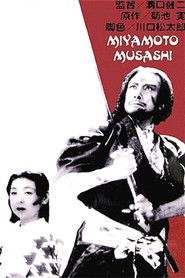
Miyamoto Musashi
The first of five Musashi series, Shinobu and her brother Genichiro plead with the famous swordsman Musashi Miyamoto to teach them swordsmanship to avenge their father's death. The killers of their father see the sister and brother practicing with Miyamoto, and so enlist the help of another powerful swordsman, Kojiro Sasaki, which gives Sasaki an excuse to battle Miyamoto.Year:
1944
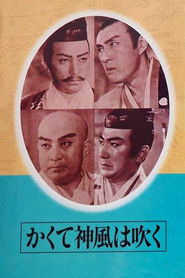
Thus the Divine Wind Blows
Set in the late thirteenth century, this film depicts the defense of southern Japan led by the Kono clan against the Mongol invasion in 1281.Year:
1944
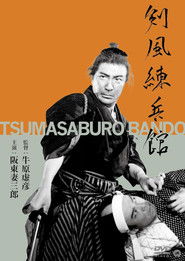
Kenpu Renpeikan
Near the end of the shogunate in Japan, Katsura Shogoro and his fellow samurai from the southwestern domain of Choshu enter the dojo of Saito Yakuro, the famed Shindo Munen Ryu swordsmen of Renpeikan in Edo. Katsura is initially not welcomed by the other, senior dojo followers. Undeterred, he focuses on improving his skill not only in swordsmanship but also learning how to repel the foreign British and American ships that threaten their domain.Year:
1944
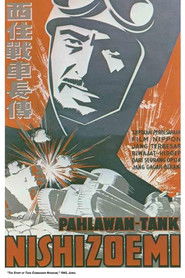
The Story of Tank Commander Nishizumi
Following a young man through his childhood ambition to follow his father into the military to losing his life in combat in China.Year:
1940
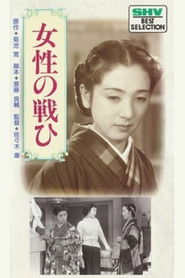
Women at War
Naomi Tazawa (Hiroko Kawasaki), who works at Isetan Department Store, was told by an executive at a film company (Ken Uehara), that he was going to make a film about her. She was scouted to become an actress, but she held strong. Around that time, her adoptive father dies, and at the time of his death, she learns that her real father was a man of high rank.Year:
1939

Learn from Experience, Part Two
Part 2 of a 2-part romance (fist part - Kafuku zempen) based on a story by noted author Kikuchi Kan. In the second half, we discover that Toyomi is pregnant -- and while Shintaro and Yurie are on their extended honeymoon, she bears his child, a girl named Kiyoko. She is supported in adversity by Michiko -- and gets considerable moral support from not only her own mother but also from Shintaro's mother and siblings. Even more surprisingly, Yurie strikes up a friendship of sorts with her. When Yurie learns that the child is Shintaro's, she convinces Toyomi that it would be best to let Shintaro (and her) raise Kiyoko, so Toyomi can get on with making a proper life for herself. Tearfully, Toyomi agrees. Sometime later, Michiko goes to visit Toyomi -- and sees her at work, as a kindergarten teacher.Year:
1937
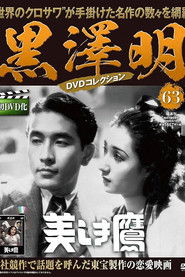
The Beautiful Hawk
One of three titles released the same year, with the same title based on the same story. This is the P.C.L. (Toho) VersionYear:
1937

Japanese Women's Textbook
Year:
1937
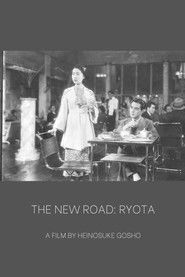
The New Road: Ryota
The eldest daughter of a noble family is in love with an aviator while being courted by a fellow aristocrat she thinks is a dullard. Told from the perspective of Ryota. In this second part, we learn that Akemi is pregnant...Year:
1936
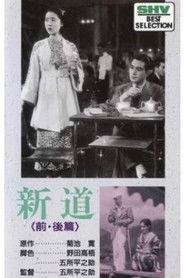
The New Road: Akemi
The eldest daughter of a noble family is in love with an aviator while being courted by a fellow aristocrat she thinks is a dullard. This part is told from the perspective of Akemi.Year:
1936
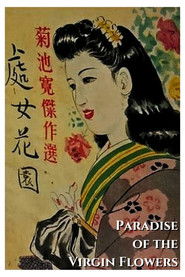
Paradise of the Virgin Flowers
Year:
1936
Moth-eaten Spring
Directed by Mikio Naruse. It is presumed to be lost.Year:
1932
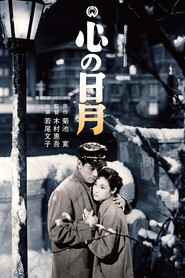
Kokoro no jitsugetsu: Retsujitsu hen - Gekko hen
Year:
1931
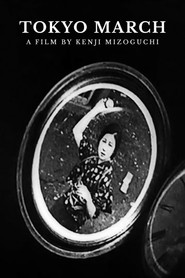
Tokyo March
A classic melodramatic love tragedy addressing social inequality in Taishō-era Japan, The nostalgic scenes of 1920s Tokyo provides a valuable visual experience set against the background of the title song, "Tokyo March." (Sadly, less than a half hour of the footage has been recovered and restored.)Year:
1929
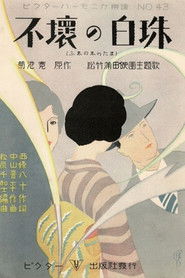
Eternal Heart
Toshie, a young, conservative secretary-typist has fallen in love with Shozo Narita, a young man she has met through her work.Year:
1929
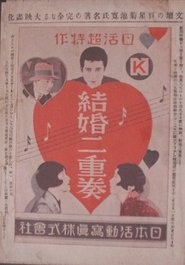
Kekkon nijuso: zenpen
Year:
1928
Umi mo yusha
Year:
1927
Junange
Year:
1926