

Kelly Saxberg
Director
-
Birthday
-
Zodiac Sign
-
Genres
0
Total Films
Also known as (female)
Place of Birth
-
Birthday
-
Zodiac Sign
-
Genres
0
Total Films
-
Also Known As (female)
-
Place of Birth
-
Birthday
-
Zodiac Sign
-
Genres
0
Total Films
Also known as (female)
Place of Birth
-
Birthday
-
Zodiac Sign
-
Genres
0
Total Films
-
Also Known As (female)
-
Place of Birth
actor
0 Works
producer
0 Works
director
11 Works
writer
0 Works
other
6 Works
Letters from Karelia
Story of Aate Pitkänen, a idealistic Canadian-Finn who went to Soviet Karelia.Year:
2004
Letters from Karelia
Story of Aate Pitkänen, a idealistic Canadian-Finn who went to Soviet Karelia.Year:
2004

Mistress Madeleine
Part of the Daughters of the Country series, this film, set in the 1850s, unfolds against the backdrop of the Hudson's Bay Company's monopoly of the fur trade. In protest, some Métis engage in trade with the Americans. Madeleine, the Métis common-law wife of a Hudson's Bay Company clerk, is torn between loyalty to her husband and loyalty to her brother, a freetrader. Even more shattering, a change in company policy destroys Madeleine's happy and secure life, forcing her to re-evaluate her identity.Year:
1986
Mistress Madeleine
Part of the Daughters of the Country series, this film, set in the 1850s, unfolds against the backdrop of the Hudson's Bay Company's monopoly of the fur trade. In protest, some Métis engage in trade with the Americans. Madeleine, the Métis common-law wife of a Hudson's Bay Company clerk, is torn between loyalty to her husband and loyalty to her brother, a freetrader. Even more shattering, a change in company policy destroys Madeleine's happy and secure life, forcing her to re-evaluate her identity.Year:
1986

Banana Split
Banana Split takes the viewer on a journey that begins with the hustle and bustle of a fruit market in Thunder Bay, and ends up with an examination of the daily challenges of life in Honduras. In addition to being a popular fruit in Canada, bananas are used as a staple food in more than 100 tropical and sub-tropical countries.Year:
-
Where the Poppies Grow: The Lakehead at War
Where the Poppies Grow is a short docu-drama about one soldier during the Great War. Alfred Saxberg was a first generation Finnish Canadian who signed up at the beginning of the war and was fortunate to return home in 1919. When the Great War ended In November 1918, the people of the Lakehead could take pride in the contributions they had made. Over 6,200 people enlisted either as volunteers or conscripts. At home, the community supported the war by raising money to assist soldiers’ wives, children, and other dependents. There were also campaigns to help finance the purchase of military equipment and to send personal items to the soldiers overseas. By the end of the conflict, approximately 300 people from the Lakehead were killed overseas or died of illness due to their war service. Thousands more were wounded in body and mind. Where the Poppies Grow is a docu-drama that looks at the sacrifices made by people from the Lakehead to secure victory in the war.Year:
2018

Dorothea Mitchell: A Reel Pioneer
Dorothea Mitchell – A Reel Pioneer recounts in Mitchell’s own words the amazing life of a pioneer filmmaker. Seventy years later a group of local enthusiasts in Thunder Bay, reinvent the silent pictures, by finishing “The Fatal Flower”,the murder mystery Dorothea had bequeathed to the national Archives of Canada. With no script to work from and some missing scenes, the group nurtured “The Fatal Flower” back to life.Year:
2010
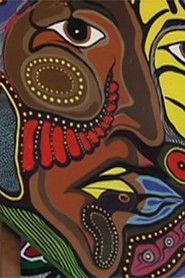
Woodland Spirits
In this documentary short, two men paddle a canoe across a remote part of northern Lake Superior. Each stroke brings them closer to the culmination of an artistic and spiritual journey, one that begins with ancient rock paintings from their Anishinaabe ancestors.Year:
2007
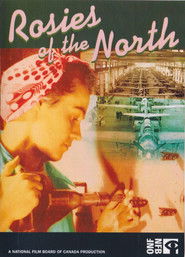
Rosies of the North
They raised children, baked cakes... and built world-class fighter planes. Sixty years ago, thousands of women from Thunder Bay and the Prairies donned trousers, packed lunch pails and took up rivet guns to participate in the greatest industrial war effort in Canadian history. Like many other factories across the country from 1939 to 1945, the shop floor at Fort William's Canadian Car and Foundry was transformed from an all-male workforce to one with forty percent female workers.Year:
1999
Rosies of the North
They raised children, baked cakes... and built world-class fighter planes. Sixty years ago, thousands of women from Thunder Bay and the Prairies donned trousers, packed lunch pails and took up rivet guns to participate in the greatest industrial war effort in Canadian history. Like many other factories across the country from 1939 to 1945, the shop floor at Fort William's Canadian Car and Foundry was transformed from an all-male workforce to one with forty percent female workers.Year:
1999

Who Gets In?
This documentary explores the many questions raised by Canada's immigration policy in the face of one of the world's largest immigration movements. Shot in 1988 in Africa, Canada and Hong Kong, the film reveals first-hand what Canadian immigration officials are looking for in potential new Canadians, and the economic, social and political priorities orienting their choices.Year:
1989