


Lee Kang-gil
Director
06-08-1967
Birthday
Leo
Zodiac Sign
-
Genres
0
Total Films
Also known as (male)
Place of Birth
06-08-1967
Birthday
Leo
Zodiac Sign
-
Genres
0
Total Films
-
Also Known As (male)
-
Place of Birth
06-08-1967
Birthday
Leo
Zodiac Sign
-
Genres
0
Total Films
Also known as (male)
Place of Birth
06-08-1967
Birthday
Leo
Zodiac Sign
-
Genres
0
Total Films
-
Also Known As (male)
-
Place of Birth
actor
0 Works
producer
0 Works
director
5 Works
writer
0 Works
other
2 Works
Gorals Don’t Ride Cable Cars
Year:
2019
Little Pond in Main Street
Street vendors in Korea are almost like a national institution, they are so widespread and relied upon. In Little Pond in Main Street a group of vendors band together to create a community radio station but come into conflict with other groups, as well as the government trying to shut them down.Year:
2014
To Live - Save Our Saemankum
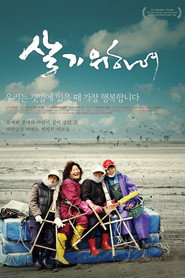
The film follows the lives and aims of the people of Gyehwa Island whose livelihood depends upon the sea. The Seamangeun Reclamation changes the social fabric of the communities - and various factions struggle both against the government and each other. One such conflict arises, for example, between the shellfish farmers and the ship owners over questions of compensation for the reclaimed land. On its part, the government proves to be both insensitive to the positions of the islanders and deliberately divisive.Year:
2009
To Live - Save Our Saemankum
The film follows the lives and aims of the people of Gyehwa Island whose livelihood depends upon the sea. The Seamangeun Reclamation changes the social fabric of the communities - and various factions struggle both against the government and each other. One such conflict arises, for example, between the shellfish farmers and the ship owners over questions of compensation for the reclaimed land. On its part, the government proves to be both insensitive to the positions of the islanders and deliberately divisive.Year:
2009
To Live - Save Our Saemankum
The film follows the lives and aims of the people of Gyehwa Island whose livelihood depends upon the sea. The Seamangeun Reclamation changes the social fabric of the communities - and various factions struggle both against the government and each other. One such conflict arises, for example, between the shellfish farmers and the ship owners over questions of compensation for the reclaimed land. On its part, the government proves to be both insensitive to the positions of the islanders and deliberately divisive.Year:
2009
