

Les McLaren
Director
-
Birthday
-
Zodiac Sign
-
Genres
0
Total Films
Also known as (female)
Place of Birth
-
Birthday
-
Zodiac Sign
-
Genres
0
Total Films
-
Also Known As (female)
-
Place of Birth
-
Birthday
-
Zodiac Sign
-
Genres
0
Total Films
Also known as (female)
Place of Birth
-
Birthday
-
Zodiac Sign
-
Genres
0
Total Films
-
Also Known As (female)
-
Place of Birth
actor
0 Works
producer
0 Works
director
5 Works
writer
0 Works
other
2 Works

Taking Pictures
Before the 1970s, the Commonwealth Film Unit represented the people of PNG in a paternalistic way, as curiosities. The unit used pompous voice-overs telling viewers what they should believe. Les McLaren and Annie Stiven are two of a group of Australian filmmakers who have lived and worked in PNG during the past 25 years and who see their roles rather differently. Through their films, they have endeavoured to reflect Papua New Guineans' complexity of thought, language and culture, using a wide variety of filmic styles and techniques. The film features interviews with a variety of Australian filmmakers who have worked extensively in PNG, including Bob Connolly and Robin Anderson, Chris Owen, Dennis O'Rourke and Gary Kildea. This documentary is a fascinating tracing of PNG culture and history from the 1930s until today.Year:
1996
Friends & Enemies
One thousand power workers went on strike against the South East Queensland Electrical Board (SEQEB)in February 1985 in protest against the introduction of contract worker hire. This documentary details the industrial relations dispute between the ensuing Joh Bjelke Peterson coalition government and the Electrical Trades Union in Queensland, Australia during 1985.Year:
1987
Namekas: Music in Lake Chambri
On the southern shores of Lake Chambri (Middle Sepik River) live 1500 Pondo-speaking villagers. The Chambris trade fish, mosquito nets and baskets for sago, pottery, and other goods. All elements of the natural world are associated with spirits which have individual personalities and powers, characterized in legend, art, and music. A constant dialog between man and spirits is carried on through various communicative media, including invocations, dreams, and music. As this film beautifully reveals, there is a wealth of musical tradition in Lake Chambri: carved wooden drums whose lively vibrations are said to shake loose ripened fruits for harvest; pairs of sacred bamboo flutes used in boys' initiations and concealed from women; orchestras of flutes identified with dogs or turkeys; flutes captured in warfare used with dance masks to invoke fish; and the panpipe with its melodies of mourning.Year:
1979
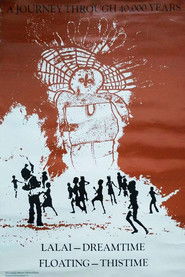
Lalai Dreamtime
Lalai Dreamtime takes the viewer into pre-settled Australia to show a myth from the spiritual tradition of the people. It is the story of Namarali, as presented by Sam Woolagoodja to his son Stanley and his granddaughter Kerry. Namarali is the law-giving 'Wandjina' of the Worora people who, along with him, have many other such Wandjinas. The 'Wandjinas' are ancient creators whose presence is real in the painted imprints of cave walls and in the shape of specific land formations. The film shows the importance of the Dreamtime in the Aboriginal culture.Year:
1972
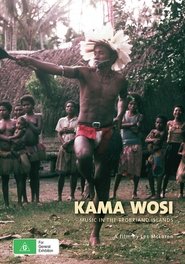
Kama Wosi: Music in the Trobriand Islands
Traditional music of the Trobriand Islands is played on a variety of flutes, from simple curving stems to panpipes. Songs (wosi) are also an important part of Trobriand music, and although everyone may compose and sing, people with special talents are encouraged to develop their skills. A range of songs are filmed and translated here: gardening and sailing songs, kula trading songs, songs of love and enticement, of grief and mourning. The film also reveals glimpses of everyday and ritual life: villages, gardens (and their magic), exchange, harvest dances, children in the rain.Year:
1971