

Lillo Iacolino
Director
-
Birthday
-
Zodiac Sign
-
Genres
0
Total Films
Also known as (female)
Place of Birth
-
Birthday
-
Zodiac Sign
-
Genres
0
Total Films
-
Also Known As (female)
-
Place of Birth
-
Birthday
-
Zodiac Sign
-
Genres
0
Total Films
Also known as (female)
Place of Birth
-
Birthday
-
Zodiac Sign
-
Genres
0
Total Films
-
Also Known As (female)
-
Place of Birth
actor
0 Works
producer
0 Works
director
7 Works
writer
2 Works
other
4 Works

The Missing Star
Vincenzo, former head of maintenance of a steel plant that's been outsourced, travels from Italy to China to warn about a defective blast furnace.Year:
2006

Miles Gloriosus
Year:
2001
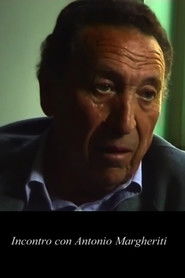
Incontro con Antonio Margheriti
Year:
1999

The Way We Laughed
Studying to become a teacher in 1950s Northern Italy, Sicilian immigrant Pietro is joined by his big brother Giovanni. Pietro shows considerable promise in his field, prompting illiterate Giovanni to take on even the toughest jobs in order to support his sibling's academic pursuits.Year:
1998

Toto Who Lived Twice
The film has three stories. First is about local village idiot Paletta, who can not afford the services of a whore and so steals a locket from a holy shrine belonging to local mafia don. Second shows the story of betrayal of Pitrinu (who's dead now) by his lover Fefe. Final episode is about lowlife Lazarus. He is killed by mob boss Toto, but raised from the dead by a local messiah, who is also known as Toto (and is played by same actor).Year:
1998

A memoria
The Italian duo Ciprì & Maresco, known to be cynical deconstructionists, weave a fascinating film around memories of a decadent Sicily. Ruins, memories of ruins - memories are ruins. This thoroughly surrealist piece unfolds like a dream, with no clear direction but the haunting feeling of familiarity and the ready acceptance of otherness as oneness.Year:
1996
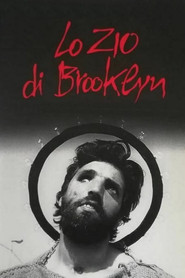
The Uncle from Brooklyn
The best italian film of the 90's, the most extreme and radical work since SALO', a ruthless representation, in a surreal-metaphorical key, of a civilization condemned to worshipping its own blindness. The two sicilian directors use a language free from compromise and from the traditional storyline rules: the movie is photographed in a sharp and very contrasting black & white, with no beautiful pimp music, and lacks a logical story. There are no women (the ones we see are actually men), and the language is strict sicilian dialect. The directing style is characterized by long fixed shots on a post-atomic world, which is really present-day Palermo, inhabited by fat people in socks and underwear who burp and fart while roaming around smelly alleyways and waste dumps.Year:
1995