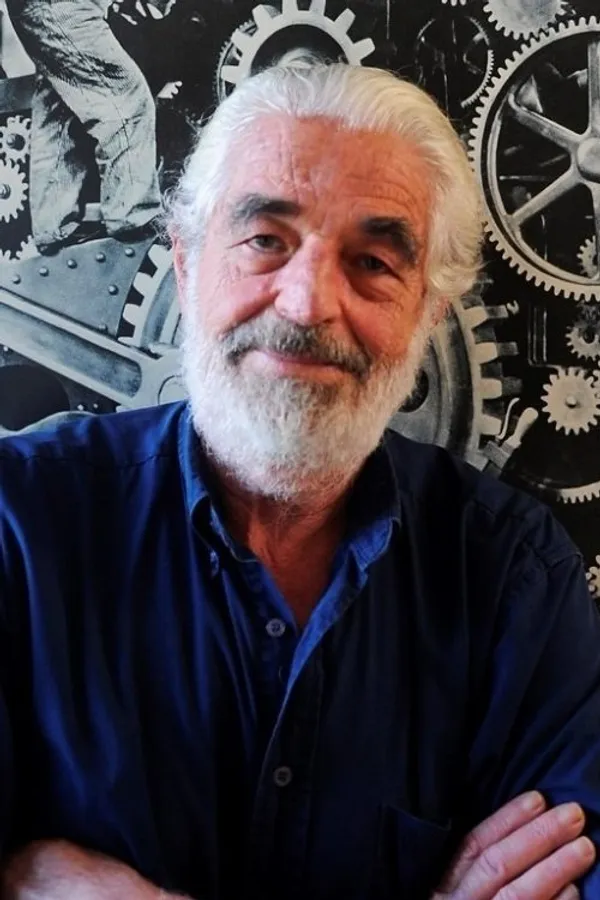
Mario Jacob
-
Birthday
-
Zodiac Sign
-
Genres
0
Total Films
Also known as (male)
Paysandú, Uruguay
Place of Birth
-
Birthday
-
Zodiac Sign
-
Genres
0
Total Films
-
Also Known As (male)
Paysandú, Uruguay
Place of Birth

-
Birthday
-
Zodiac Sign
-
Genres
0
Total Films
Also known as (male)
Paysandú, Uruguay
Place of Birth
-
Birthday
-
Zodiac Sign
-
Genres
0
Total Films
-
Also Known As (male)
Paysandú, Uruguay
Place of Birth
actor
0 Works
producer
31 Works
director
53 Works
writer
4 Works
other
8 Works

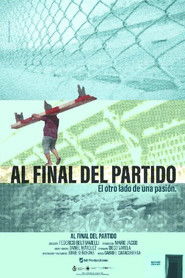
Al Final del Partido
A story of five voices passionate about the legendary national sport, characters who know a reality that the vast majority of fans are unaware of. Those who live the joys and sorrows in their football clubs on a daily basis. There is something that unifies all of them: the passion for their work and their team.Year:
2022

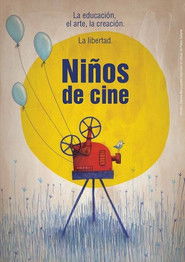
Niños de Cine
This documentary rescues from oblivion an experience of cultural resistance during the Uruguayan dictatorship. Education conceived in another way: creation, freedom, expression. A film course for children organized by the Uruguayan Cinemateca. An experience that awakened vocations, or created them. Thirty years later, several referents of Uruguayan culture revive the experience that united them as children, and that forever marked a generation of creators.Year:
2015

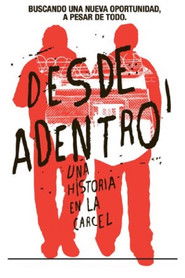
Desde adentro
Two inmates at Canelones prison fight for a better future, running a voluntary rehabilitation programme.Year:
2013

Desde adentro
Two inmates at Canelones prison fight for a better future, running a voluntary rehabilitation programme.Year:
2013

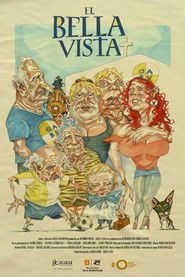
The Bella Vista
“The Bella Vista” is the story of a house started as a football club, becoming a successful transvestite brothel and changes at last to a Catholic Chapel, all in a small conservative village in Uruguay. In this playful documentary, two transvestites, one brothel’s Madam and a gaucho football player, will bring to life this battle for control of a single physical space, driven by the same motivation: passion.Year:
2012

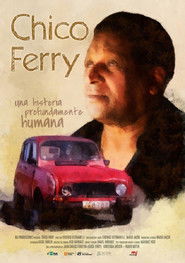
Chico Ferry
Year:
2011

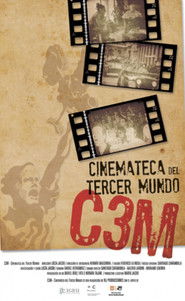
C3M – Cinemateca del Tercer Mundo
A documentary film about the production and distribution of uruguayan militant cinema during the 60sYear:
2011

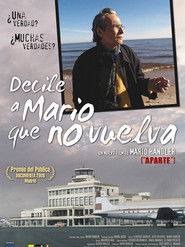
Tell Mario not to Come Back
After a long exile in Venezuela, filmmaker Mario Handler returns to his country, Uruguay. There, the dictatorship is still present in the media, public opinion, and in the memory of people. The director feels he owes something to the comrades, those who could not leave the country. This debt translates into poetry, black humor and conscience, in a sharp and accurate atmosphere of this dark time of Uruguay.Year:
2007
Two Hitlers
One is a former police officer, bodyguard and hairdresser. Currently retired, he takes care of his extravagant and almost hundred-year-old illiterate mother. He writes poems and hopes to see them published one day. The other, a declared womanizer, workaholic, and leftist, was imprisoned during the dictatorship, runs a small grocery shop, and controls the life of his young second wife. Both were born in the Uruguayan hinterland during the Second World War, and share the same name as well as the fact that neither has wished to change it. The film is a tragicomic portrait of a country whose cultural diversity, its peculiar history and the character of its inhabitants allow the existence of exceptional and remarkable persons that depict a live picture of Uruguay, with its plurality and contradictions, its small and large history, without departing a single moment from irony or reflection.Year:
2007

The Recourse of Memory
Ten years after the Law of Expiration, this documentary analyses the historical background of Uruguay's recent past. It is a survey of the controversy stirred up in society by the fact that, thanks to this law, the armed forces personnel and police who committed crimes under the dictatorship (1973-1985) have gone unpunished, and it examines the scars the authoritarian regime left on a section of the population.Year:
2000

The Recourse of Memory
Ten years after the Law of Expiration, this documentary analyses the historical background of Uruguay's recent past. It is a survey of the controversy stirred up in society by the fact that, thanks to this law, the armed forces personnel and police who committed crimes under the dictatorship (1973-1985) have gone unpunished, and it examines the scars the authoritarian regime left on a section of the population.Year:
2000

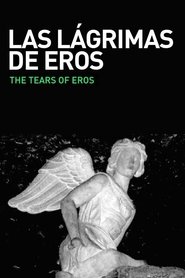
The Tears of Eros
This documentary examines sexuality as seen by women and men born into Catholic families and educated at Catholic schools. These people talk about the Church's refusal to face reality and how this short-sightedness leads to lies, feelings of guilt, a block on eroticism, unwanted pregnancies, deaths resulting from illegal abortions, and ignorance about AIDS that in fact helps the disease to spread.Year:
1998

The Tears of Eros
This documentary examines sexuality as seen by women and men born into Catholic families and educated at Catholic schools. These people talk about the Church's refusal to face reality and how this short-sightedness leads to lies, feelings of guilt, a block on eroticism, unwanted pregnancies, deaths resulting from illegal abortions, and ignorance about AIDS that in fact helps the disease to spread.Year:
1998

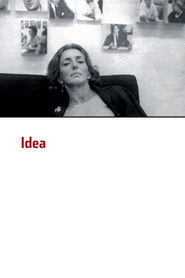
Idea
Idea approaches the figure of Idea Vilariño, considered as one of the greatest Spanish-language female poets. Her literary work, especially her poetry, is acclaimed by critics and public alike, a rare case in the Uruguayan culture scene. With her own testimony, pictures, poems, songs and archive footage, this documentary offers an in-depth look at the essence of Idea Vilariño's poetic universe in a frank adherence to her literary and human posture. Her childhood, her ghosts, her desolate vision of a godless world, the stormy burden of suffering from her relationship with Juan Carlos Onetti and the commitment assumed with the issues of her time define the various facets of this woman.Year:
1997

Idea
Idea approaches the figure of Idea Vilariño, considered as one of the greatest Spanish-language female poets. Her literary work, especially her poetry, is acclaimed by critics and public alike, a rare case in the Uruguayan culture scene. With her own testimony, pictures, poems, songs and archive footage, this documentary offers an in-depth look at the essence of Idea Vilariño's poetic universe in a frank adherence to her literary and human posture. Her childhood, her ghosts, her desolate vision of a godless world, the stormy burden of suffering from her relationship with Juan Carlos Onetti and the commitment assumed with the issues of her time define the various facets of this woman.Year:
1997

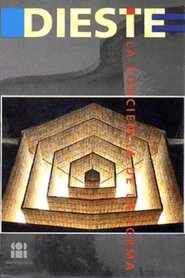
Dieste: the Consciousness of Form
The engineer Eladio Dieste, the most innovative architect in Uruguay, is interviewed by the architect Mariano Arana. He talks about the ethical responsibility involved in creating, the idea that the things that surround us should be beautiful, and how important it is to use our intelligence and creativity to produce original responses and generate our own ways of thinking.Year:
1997

Pantanal: The Waters of Life
Forty million people and countless species of flora and fauna depend on the rivers of the Rio de la Plata basin. But there is a development initiative, the Paraguay-Paraná Waterway Project, which aims to change the natural courses of these rivers and build a “Super Highway River” for the transport of grain and raw materials. If this project is implemented, what will the consequences be for society and for the environment?Year:
1997

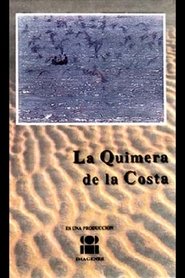
The Chimera of the Coast
This documentary examines the problems of Uruguay's Atlantic coast in the face of a scheme to exploit the area's tourist resources that is not geared to sustainable development.Year:
1994

The Chimera of the Coast
This documentary examines the problems of Uruguay's Atlantic coast in the face of a scheme to exploit the area's tourist resources that is not geared to sustainable development.Year:
1994

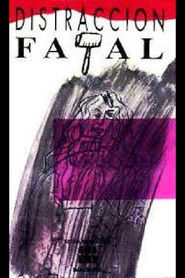
Distracción fatal
A woman that is an excellent wife and mother, and responsible and efficient in her work, commits a shameful act pushed by fate.Year:
1993

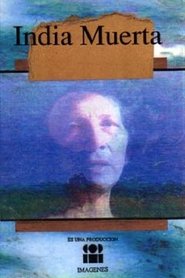
India Muerta
This is a marsh area in the very heart of the protected wetlands in the east of Uruguay, but today it has almost completely disappeared. A message in the Guaraní language, an "India Muerta" prayer, sounds the alarm about the dire consequences for nature of what human beings are doing.Year:
1992

Cornered
The community at Rincón de la Bolsa, just a few kilometres from Montevideo, is suffering from all kinds of environmental problems, and the local people organize and demand solutions.Year:
1992

Cornered
The community at Rincón de la Bolsa, just a few kilometres from Montevideo, is suffering from all kinds of environmental problems, and the local people organize and demand solutions.Year:
1992

The Rocha Wetlands: The Secret of the Waters
In the east of Uruguay there is a little-known region of vast wetlands in a beautiful natural setting which is a sanctuary for thousands of species of flora and fauna. Although it is officially protected, it is under threat from rice producers who are draining parts of the area.Year:
1991

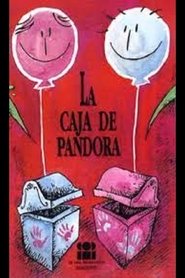
Pandora's Box
From an early age children are brought up very differently depending on their gender. The process of discovering the world is a veritable box of surprises in which school, the family and the media programme us about what it is to be a “good” girl or a “good” boy.Year:
1991

The Forgotten Land
This is the dramatic untold story of small farmers who suffer and struggle to subsist less than 80 kilometres from Montevideo. The reality of their daily lives is that the land is impoverished, middle men dominate the business, they cannot compete with firms that have new technology, and the market for their goods is small. They have to fight to survive in the wider context of the impact of regional integration - the Mercosur - and the world crisis that other countries are also going through.Year:
1991

The Forgotten Land
This is the dramatic untold story of small farmers who suffer and struggle to subsist less than 80 kilometres from Montevideo. The reality of their daily lives is that the land is impoverished, middle men dominate the business, they cannot compete with firms that have new technology, and the market for their goods is small. They have to fight to survive in the wider context of the impact of regional integration - the Mercosur - and the world crisis that other countries are also going through.Year:
1991

Onetti, Portrait of a Writer
A long interview with Uruguay's greatest writer, in Madrid a few months before his death. From his bed, Onetti talks about literature, creativity, and his origins.Year:
1990

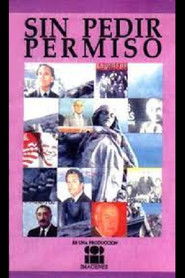
Without Asking Permission
The subject is women and their participation in politics, and this is used as a pretext for a humorous, provocative, female perspective on official (male) discourse and the almost nonexistent participation of women in Uruguayan politics.Year:
1989

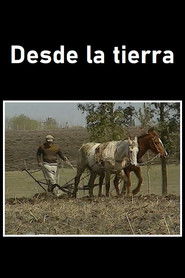
Desde la tierra
In 1988, the indebtedness of the land adjudicators of the National Colonization Institute faced a controversial refinancing law that made their subsistence unfeasible. The settlers envisioned an opaque future in which the depopulation of the campaign was going to worsen with more emigration and with the disappearance of more rural establishments.Year:
1988

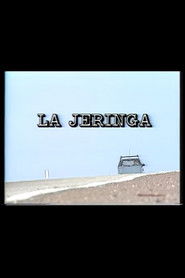
La jeringa
Free adaptation of the story “Muebles El Canario” by Felisberto Hernández, with Leo Maslíah in the leading role.Year:
1987