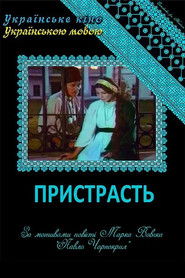
Marko Vovchok (pseud of Mariia Vilinska) was a Ukrainian female writer of Russian descent. Her pen name, Marko Vovchok, was invented by Panteleimon Kulish. Her works had an anti-serfdom orientation and described the historical past of Ukraine.
In 1851 she married Opanas Markovych, who had been a member of the Cyril and Methodius Brotherhood, and moved from Orel to Ukraine. From 1851 to 1858 she lived in Chernihiv, Kyiv, and Nemyriv and studied the Ukrainian language and Ukrainian traditions and folklore and wrote "Folk Stories", which was published in 1857. It met with immediate acclaim in Ukrainian literary circles, particularly from Taras Shevchenko and Panteleimon Kulish.
Elements of realism appear mainly in her short stories about Ukrainian peasants living under serfdom and about the difficult plight of women. Other works continue the tradition of ethnographic romanticism and are typified by strong characters and willful heroes. Also in that tradition are the children's stories ‘Dev'iat’ brativ i desiata sestrytsia Halia’ (Nine Brothers and the Tenth Sister Halia, 1863), ‘Karmeliuk’ (1865), and ‘Marusia’ (1871), the last-named of which was popular for some time in France in the translation of Pierre Jules Stahl (Maroussia, d'apres la légende de Marko Wovzog, 1878). Vovchok's prose markedly influenced the development of the Ukrainian short story in the second half of the 19th century.