

Masayoshi Kawanishi
-
Birthday
-
Zodiac Sign
-
Genres
0
Total Films
川西正純
Also known as (male)
Place of Birth
-
Birthday
-
Zodiac Sign
-
Genres
0
Total Films
-
Also Known As (male)
-
Place of Birth
-
Birthday
-
Zodiac Sign
-
Genres
0
Total Films
川西正純
Also known as (male)
Place of Birth
-
Birthday
-
Zodiac Sign
-
Genres
0
Total Films
-
Also Known As (male)
-
Place of Birth
actor
0 Works
producer
0 Works
director
7 Works
writer
0 Works
other
7 Works

Flowing
Otsuta is running the geisha house Tsuta in Tokyo. Her business is heavily in debt. Her daughter Katsuyo doesn't see any future in her mother's trade in the late days of Geisha. But Otsuta will not give up. This film portraits the day time life of geisha when not entertaining customers.Year:
1956
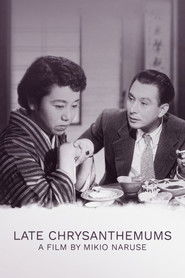
Late Chrysanthemums
With delicate, unobtrusive strokes, Naruse evokes both the humor and bitterness of his characters’ dilemmas, in this bleak, compelling poignant portrait of a quartet of aging geishas contemplating their troubles with men and money.Year:
1954
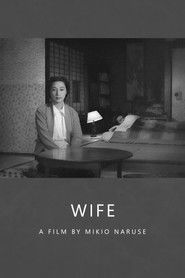
Wife
Ten years into a marriage, the wife is disappointed by the husband's lack of financial success, meaning she has to work and can't treat herself and the husband finds the wife slovenly and mean-spirited: she neither cooks not cleans particularly well and is generally disagreeable. In turn, he alternately ignores her and treats her as a servant. Neither is particularly happy, not helped by their unsatisfactory lodgers. The husband is easily seduced by an ex-colleague, a widow with a small child who needs some security, and considers leaving his wife.Year:
1953
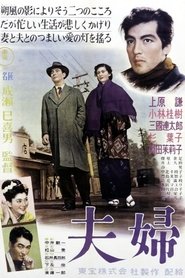
Husband and Wife
A married couple looking for an apartment move in with the husband's co-worker, a widower. The husband becomes jealous of the widower and his wife.Year:
1953
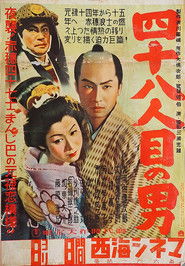
Forty-Eight Man
Jidai-geki by Kiyoshi SaekiYear:
1952
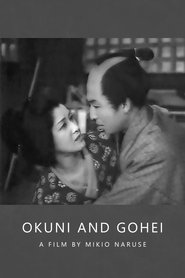
Okuni and Gohei
A high-born woman named Okuni travels around the country with Gohei, a samurai retainer who is in service to her. They are in search of Tomonojo, who has killed the man who was Okuni’s husband and Gohei’s master, and they cannot return to their lord’s home until they have fulfilled their duty of hunting down and killing Tomonojo.Year:
1952

White Beast
The critical establishment was clearly not prepared to accept a woman's prison film featuring former prostitutes recovering from venereal diseases, unwanted pregnancies, and estranged lovers. With its cat fights, hysterical tantrums, film noir lighting, and dramatic music, White Beast is indicative of the new influences of the Hollywood psychological thriller on Naruse. Caged (John Cromwell, 1950) initiated a cycle of women's prison movies in the United States that may or may not have been shown in Japan, but the stylistics of White Beast draw on the same paranoid woman's films and film noir conventions that preceded the American cycle.Year:
1950