

Mitsuru Kudo
ProducerExecutive Producer
-
Birthday
-
Zodiac Sign
-
Genres
0
Total Films
Also known as (female)
Place of Birth
-
Birthday
-
Zodiac Sign
-
Genres
0
Total Films
-
Also Known As (female)
-
Place of Birth
-
Birthday
-
Zodiac Sign
-
Genres
0
Total Films
Also known as (female)
Place of Birth
-
Birthday
-
Zodiac Sign
-
Genres
0
Total Films
-
Also Known As (female)
-
Place of Birth
actor
0 Works
producer
18 Works
director
18 Works
writer
0 Works
other
0 Works

And Then Akiko Is... A Portrait of a Dancer
Sumiko Haneda returns to film what will be the final bits of Akiko Kanda's life, documenting Kanda's will to dance as she struggles with terminal cancer.Year:
2012
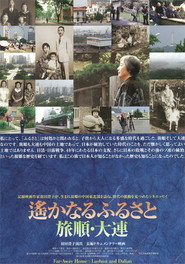
Far-Away Home: Lushun and Dalian
Haneda Sumiko, documentary filmmaker who was born in Dalian, Manchuria in 1926 and was there to experience the conclusion of the Pacific War. Following her previous work , she revisits Dalian and Lushun, places where she spent her formative years. Lushun has served as an important naval port in modern times, and in 2009 was finally fully opened to foreigners. Haneda joined a tour organized as part of that opening, and delves into memoires as she visits the house where she grew up and the school she attended.Year:
2011
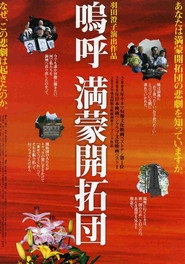
The Japanese Settlers to the Manchuria and Inner Mongolia of Mainland China
Set in the Japanese puppet state of Manchukuo, the tragic theme of the film is the destruction of millions of lives in the 13 years before Manchukuo collapsed with Japan’s World War II surrender in August 1945, and the years of suffering it brought in its wake.Year:
2009

All's Well That Ends Well
Documentary on end-of-life care in JapanYear:
2007
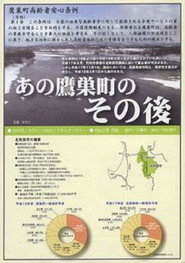
The Takanosu-machi Thereafter
Mayor Iwakawa was voted into office in 1991, promising better welfare for senior citizens. As a result of his efforts to create a town with resident participation, while battling against anti-reform forces of the town council, Takanosu-machi becomes the best welfare town in Japan. In the nationwide local elections in 2003, however, Iwakawa, loses by a huge margin against the opposing candidate who promises the consolidation of local municipalities.Year:
2006

Into the Picture Scroll: The Tale of Yamanaka Tokiwa
This extraordinary film presents Japanese classical scroll painting as never before. The Yamanaka Tokiwa comprises twelve scrolls painted by Matabei Iwasa some 400 years ago. Haneda redefines the art documentary and demonstrated that a film about a masterpiece can be equally masterful.Year:
2004

Momo Chenga
Documentary on an elderly Tibetan refugee who has lived in Nepal for 40 yearsYear:
2002
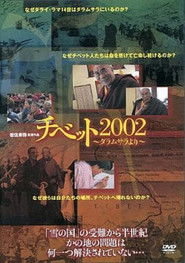
Tibet 2002
Year:
2002
Community Welfare that Residents Choose
Toru Iwakawa is elected mayor of Takanosu on the platform of improving welfare. With the support of a group formed by residents, he aims to develop a "care town" to stop the isolation of the elderly. However, the town council refuses to support his proposal.Year:
1997

Kabuki Actor Kataoka Nizaemon
Documentary film from Japan.Year:
1992

Getting Old without Anxiety
The care facilities for the elderly in a small town in Gifu prefecture, and the comparison with the welfare in Denmark, Sweden and Australia.Year:
1990

Akiko: Portrait of a Dancer
“I have three tasks in my life: to dance, to teach dance, and to create dance,” says the pioneering Japanese performer Akiko Kanda in this intimate portrait of creativity and individuality, After seeing a Martha Graham performance in college, Kanda left her family behind in Japan and arrived in New York City, where she studied under the legendary Graham and became a principal dancer with the troupe. Following the wiry artist as she moves from practice floor to performance hall, and from the cramped single-room apartment she lives in to a trip home to see her aging mother, director Sumiko Haneda reveals a woman who has rebelled against traditional ideals of marriage and motherhood, and who nearly single-handedly brought modern dance to Japan-and kept it alive. “When I die,” Kanda tells the director, “I will be content if I can just say, ‘I danced.'”Year:
1985
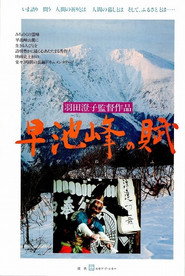
The Poem of Hayachine Valley
Iwate Prefecture, Ohasamacho. In the foothills of Mt. Hayachine, the kagura (devotional dance) offered to the mountain goddess by the mountain priests is still performed today nearly unchanged from mediaeval times. This dance, which has been handed down along several lines of succession in the villages of Take and Otsugunai, has its origins in prayer. Take's kagura and Otsugunai's kagura are said to be closely related. The film shows the people who lovingly continue to perform these two types of dance and the transition from ancient tradition to modern life. Even from the first moment that director Haneda was charmed by Hayachine's kagura, the mountain villages that were home to the gods had already begun to disappear.Year:
1982
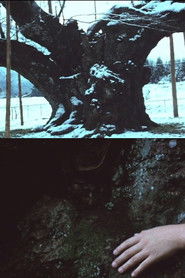
The Cherry Tree with Gray Blossoms
The poignant focal point for this film is a cherry tree that is over 1400 years old. Beginning with the tree, the director then explores the families and environment around the tree. The editing and music contribute to the sense of a haunting past contained within the solid structure of an ancient natural wonder.Year:
1977

Funeral Parade of Roses
In 1960s Tokyo, Gonda owns a bar in which the gay, cross-dresser, and trans scenes meet. Gonda is in a relationship with the madam of the bar, Leda. As the younger Eddie starts a passionate affair with Gonda, she ignites the jealousy of Leda, unaware of another kind of history between them.Year:
1969
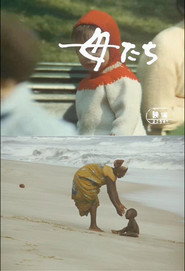
Mothers
Documentary about the relationships between mothers and their children.Year:
1967

Exchange Student Chua Swee Lin
Documentary on Chua Swee-Lin, a Malaysian exchange student who was threatened with deportation over his protest against the separation and independence of Singapore.Year:
1965

Hōryū-ji
This celebrated documentary, filmed in colour, depicts one of the most famous of all Japanese temples. Horyu-ji, in the small town of Ikaruga outside Japan’s ancient capital of Nara, was one of the first Buddhist places of worship established in Japan, and contains the oldest surviving wooden buildings in the world, dating from the seventh century.Year:
1958