

Páll Steingrímsson
DirectorProducer
-
Birthday
-
Zodiac Sign
-
Genres
0
Total Films
Also known as (female)
Place of Birth
-
Birthday
-
Zodiac Sign
-
Genres
0
Total Films
-
Also Known As (female)
-
Place of Birth
-
Birthday
-
Zodiac Sign
-
Genres
0
Total Films
Also known as (female)
Place of Birth
-
Birthday
-
Zodiac Sign
-
Genres
0
Total Films
-
Also Known As (female)
-
Place of Birth
actor
0 Works
producer
10 Works
director
84 Works
writer
16 Works
other
36 Works
Páll á Húsafelli
No description foundYear:
2015
Volcanic Eruptions and Ash
The documentary deals with volcanic eruptions in Iceland and the ash from them, causing damage to vegation and effecting global climate. The main part deals with the eruption in Eyjafjallajökull 2010. Furthermore the eruptions in Surtsey 1963, Heimaey 1973 and finally Skaftáreldar 1783.Year:
2013
Að syngja fyrir heiminn
A documentary about the singer Kristinn Sigmundsson.Year:
2011
The Arctic Tern, to the Moon and Back again
In this wildlife documentary veteran filmmaker, Páll Steingrímsson, sets his sights on the arctic tern, which has by far the longest regular migration by any known animal.Year:
2010
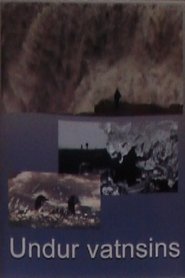
Wonders of Water
Water is one of the most amazing substances on earth. It contradicts almost all of the rules of physics and chemistry. For instance, it has the unique characteristic of expanding and growing lighter when it becomes solid. All other substances grow heavier upon turning solid and contract as the temperature decreases. This is what causes ice to float on top of water, instead of collecting on the bottom, which makes all the difference for aquatic life and in fact for all life on earth. In addition, water has the highest specific heat of any substance, which makes it a superb heat reservoir and heat equaliser. Without water, the earth would be a desert because of fluctuations in heat.Year:
2009
World of Solitude
This documentary is an invitation to an adventurous travel about the central highlands of Iceland within and surrounding the Vatnajökull Galcier - Europes larget icecap. A travel begins at the surface of the hot spot under Vatnajökull, where fire and ice go hand in hand.Year:
2004
Little Brother in the North
In July we fallow puffin catchers going on small boats to uninhabited rocky islands where they catch the flying birds into nets. This hunt is very dangerous as the men have to operate from narrow ledges in cliffs high above the surfing ocean. In August we see another side of the puffin/man relationship, as the children lovingly collect helpless puffin chicks from streets and alleys and keep them in cardboard boxes at their homes for the night until the can help them to the sea in the morning.Year:
1997
The Icelandic Eider
The eider do not migrate to warmer areas but survive the harsh winters in the North Atlantic. Perhaps that is why nature has provided the eider with down that has more insulatingqualities than any other bird down. The dilm shows eider "farming", a unique form of harvesting the down without harming the birds. The eider the most numerous of all ducks and geese in Iceland, counting more than half a million individuals. They return year after to a well kept colony, the biggest counting more than 6000 pairs. The female eders are seen lining ther nests with down which they pluck from their bodies. The down is collected after the clutch has left the nest.Year:
1995
An Ancient Farm Site
Although the Icelandic Sagas contain many descriptions of stately homes, none of them stood the test of time. However, an archeological finding at Stöng in Thjórsárdal revealed the ruins of an ancient farm which had been preserved in ashes from the Mt. Hekla eruption in 1104. Knowledge from this finding and from literary sources were used to reconstruct in detail and Icelandic farmhouse from the 11th century. This film follows the project from the original designing stage in 1970 until the inauguration in 1977, showing the ancient techniques used to build houses from local building material such as turf, stone and wood.Year:
1989
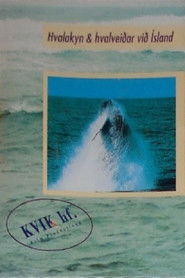
Iceland Whaling
An important and stunning documentary on whales and modern whaling with historical and scientific background. Most of the footage was shot specifically for this film in the North Atlantic and there are some shots of whale behavior that have never been captured on film before. The film is a significant contribution to the debate on the whaling controversy.Year:
1987