Аватар персоны Rachel Perkins

Rachel Perkins

DirectorWriterProducer
Rachel Perkins is an Australian film and television director, producer, and screenwriter. Her Australian Aboriginal heritage (Arrernte/Kalkadoon) has informed her entire filmmaking career. She founded Australia's premier Indigenous production company Blackfella Films in 1992, and has contributed extensively to the development of Indigenous filmmakers in Australia and, more broadly, to the Australian film and television industry. She is known for her films Radiance (1998), One Night the Moon (2001), Bran Nue Dae (2010), and Jasper Jones (2017).

01-01-1970

Birthday

Capricorn

Zodiac Sign

-

Genres

0

Total Films

Also known as (female)

Canberra, Australia

Place of Birth

Popular works

Creative career

actor

0 Works

producer

6 Works

director

15 Works

writer

1 Works

other

0 Works

Mimi

Mimi

A white collector of Aboriginal art gets a shock when the Mimi sculpture she purchased comes to life.
5.5

Year:

2002

From Sand to Celluloid: Payback

From Sand to Celluloid: Payback

Paddy finds there are two separate laws, the white and the black.
0.0

Year:

1996

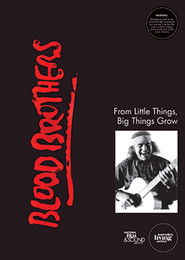
Blood Brothers: From Little Things, Big Things Grow

Blood Brothers: From Little Things, Big Things Grow

Kev Carmody is a prolific songwriter and musician with a great sense of humour. He has performed with Paul Kelly and Billy Bragg, both of whom appear in this film. When Kev released his first album, Pillars of Society, in 1989, music magazine Rolling Stone described it as "the best album ever released by an Aborigine and arguably the best protest album ever made in Australia". Kev was propelled onto the national stage as a voice of protest for black Australia. This film looks at Kev up close - cattle mustering in southern Queensland, making music in suburban Sydney and playing Long Bay Jail.
0.0

Year:

1993

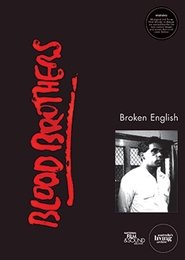
Blood Brothers: Broken English

Blood Brothers: Broken English

Arrernte elder Rupert Max Stuart tells his side of the story about how he was sentenced to death for a crime he says he didn’t commit. For 30 years, Arrernte man Rupert Max Stuart has maintained his innocence of the rape and murder of a young white girl. His story became the basis for the movie Black and White in 2002. In Broken English, we hear from Max and those personally involved in the case. Max Stuart claims he fell prey to prejudices in the white justice system and alleges he was beaten and verballed by police. He spent 14 years in prison and faced the gallows nine times for the crime he says he didn't commit. This film, which combines documentary and drama, recreates some of the events of his trial, appeals and subsequent Royal Commission. It features Hugo Weaving, Noah Taylor and Tony Barry, with Lawrence Turner playing Max Stuart.
0.0

Year:

1993

Blood Brothers: Freedom Ride

Blood Brothers: Freedom Ride

Outspoken leader Charles Perkins grew up on a reserve, separated from his relatives. He was shunned by white Australian society and his early experiences of racism spurred him to go on to university and to challenge racial inequality. One of the first Aboriginal people to graduate from university, he soon came to the forefront of direct action against oppression and injustice, leading the 1965 freedom rides that challenged apartheid practices in northern NSW. Freedom Ride takes Charles Perkins back to Moree and Walgett and uses newsreel footage and dramatic reconstructions to retrace his story. The program was directed and produced by his daughter Rachel Perkins; his son Adam Perkins plays Charles as a young man.
0.0

Year:

1993

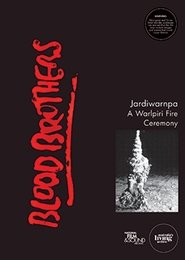
Blood Brothers: Jardiwarnpa - A Warlpiri Fire Ceremony

Blood Brothers: Jardiwarnpa - A Warlpiri Fire Ceremony

Law man Darby Jampinjimpa Ross and other Warlpiri elders introduce us to their community's fire ceremony. Made with the close co-operation of the outback Warlpiri community of Yuendumu, the film follows the staging of the ceremony, involving hundreds of people, over several weeks - part of the process of retaining traditional law and culture within the community. Anthropologists describe the ceremony as a means of resolving personal conflicts in society; the elders speak of paying tribute to their ancestors.
0.0

Year:

1993