

Reet Sokmann
Producer
-
Birthday
-
Zodiac Sign
-
Genres
0
Total Films
Also known as (female)
Place of Birth
-
Birthday
-
Zodiac Sign
-
Genres
0
Total Films
-
Also Known As (female)
-
Place of Birth
-
Birthday
-
Zodiac Sign
-
Genres
0
Total Films
Also known as (female)
Place of Birth
-
Birthday
-
Zodiac Sign
-
Genres
0
Total Films
-
Also Known As (female)
-
Place of Birth
actor
0 Works
producer
5 Works
director
6 Works
writer
0 Works
other
1 Works
Nelli and Elmar
Nelli, a retired former village postman, rides a bicycle along her old postal route through the fading villages of Southern Estonia.Year:
1998
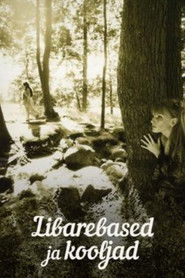
Libarebased ja kooljad
Based on the tales of Chinese writer Pu Songling, the film depicts the romantic relationships of a Chinese student with an undead girl and a fox spirit maiden. Rainer Sarnet's diploma film.Year:
1998

The Oak
The oak tree in Seja is roughly 700 years old. Around this monumental tree, the peaceful and repetitive life goes on in the village, a group of houses in the middle of the forest. It is an almost unworldly existence in a condition of absolute simplicity where people are grateful for a hot cup of coffee and a good potato harvest.Year:
1997
Ta-ram, ta-ram
Nighttime at the tram depot. A closed tram car, from which a young businessman who fell asleep on the tram finds himself waking up. However, he is not alone...Year:
1995
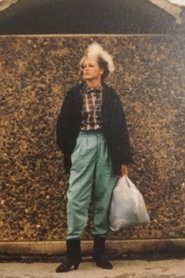
In Paradisum
In Paradisum relates two disturbing stories simultaneously. The female narrator tells her personal tale of imprisonment as the wife of the notorious Estonian serial killer, Andreas Hanni. Although her story is bizarre, it touches familiar themes that run throughout modern life: the desire to be loved and the fear of being alone. Pille Hanni's tale unfolds over cinema vérité images of life in several Estonian prisons. At times the images reflect in a literary way the events of the narration, yet they are representations and impressions, rather than traditional documentary style footage of the people involved. This opens the story to a more general interpretation, often with unsettling results. The parallel contents reveal, at two levels of story and social organisation, how the bizarre and inhuman can be tolerable and even addictive in the face of our fears.Year:
1993