

Samanna Lui
Producer
-
Birthday
-
Zodiac Sign
-
Genres
0
Total Films
Also known as (female)
Place of Birth
-
Birthday
-
Zodiac Sign
-
Genres
0
Total Films
-
Also Known As (female)
-
Place of Birth
-
Birthday
-
Zodiac Sign
-
Genres
0
Total Films
Also known as (female)
Place of Birth
-
Birthday
-
Zodiac Sign
-
Genres
0
Total Films
-
Also Known As (female)
-
Place of Birth
actor
0 Works
producer
4 Works
director
4 Works
writer
0 Works
other
0 Works
Crossings: John Woo
Crossings: John Woo starts with Woo's emotional homecoming to Hong Kong in 2004 to promote his latest blockbuster Paycheck. It leads you through his teen years where he made avant garde films, his apprenticeship with Shaw Brothers' martial arts director Chang Che, his coming of age as a director directing slapstick Hong Kong comedies through the 70s and 80s. It charts the genesis of the groundbreaking A Better Tomorrow starring Chow Yun Fat, a film that creates a new genre in Hong Kong cinema and launches Woo's career into the international arena.Year:
2004
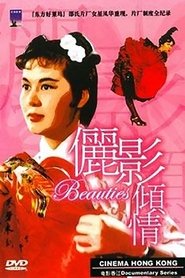
Cinema Hong Kong: The Beauties of the Shaw Studio
Hong Kong cinemas had a wide range of glamorous female stars during the golden age of the 60's and 70's. The series will take the audience on a sentimental journey to the good old days and once again look at the expansive epic costume dramas and huangmei operas in which actresses played both the male and female roles. Rare interviews with Sir Run Run Shaw, stars Ivy Ling Po, Shaw Yin Yin, Tanny Tie Ni and Cheng Pei Pei are also featured.Year:
2003
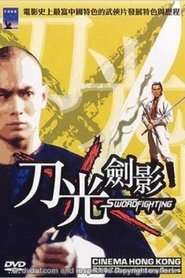
Cinema Hong Kong: Wu Xia
A full journey from the beginning of "Swordplay" movies in Shanghai, growth in Hong Kong cinemas in the 60's and 70's and Ang Lee's epic "Crouching Tiger, Hidden Dragon" in 2000. The series also features interviews with such luminaries including John Woo, Chu Yuen, Lau Ka Leung, Gordon Lau Ka Fai, Sammo Hung, David Chiang and Cheng Pei Pei.Year:
2003
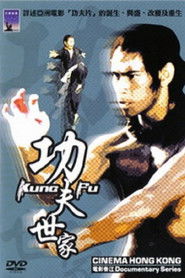
Cinema Hong Kong: Kung Fu
Filmmaker Ian Taylor examines the impressive legacy of Hong Kong cinema -- specifically, how martial arts crossed borders and become an international phenomenon -- with the help of footage and interviews with the stars who made the genre what it is today. Director Lau Ka Leung (who helmed The 36th Chamber of Shaolin) joins in, sharing his thoughts on how certain cinematic technologies have improved martial arts films and expanded their appeal, on the set of Drunken Monkey (2003).Year:
2003