

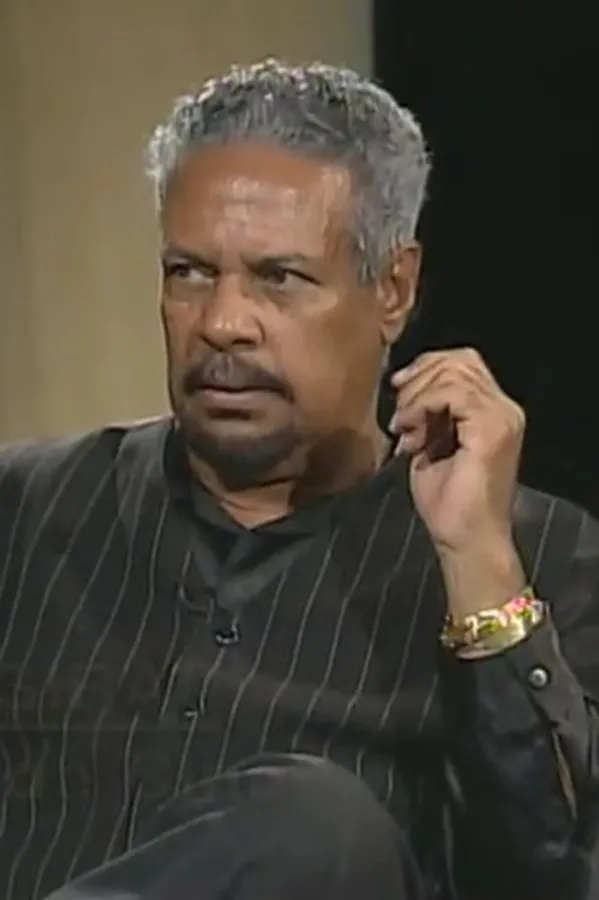
Sergio Giral
DirectorWriter
03-01-1937
Birthday
Capricorn
Zodiac Sign
-
Genres
0
Total Films
Also known as (female)
Place of Birth
03-01-1937
Birthday
Capricorn
Zodiac Sign
-
Genres
0
Total Films
-
Also Known As (female)
-
Place of Birth
03-01-1937
Birthday
Capricorn
Zodiac Sign
-
Genres
0
Total Films
Also known as (female)
Place of Birth
03-01-1937
Birthday
Capricorn
Zodiac Sign
-
Genres
0
Total Films
-
Also Known As (female)
-
Place of Birth
actor
0 Works
producer
0 Works
director
8 Works
writer
2 Works
other
0 Works
María Antonia
The plot is situated in Cuba during the early '50s, before the cuban revolution. A prostitute gets in love with a boxer to whom she devotes her life. As the boxer progresses in his career, he gets money and women. The prostitute tries everything to keep him meanwhile her tortured soul sinks deeper and deeper.Year:
1990
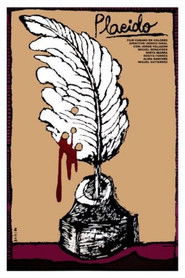
Plácido: The Blood of a Poet
Gabriel de la Concepcion Valdes (Plácido) is accused of leading a conspiracy against the Spanish colonial government. Preoccupied by the development of Afro-Hispanic artist and craftsmen of the mid 19th century, Plácido was executed after living a short and controversial life.Year:
1986
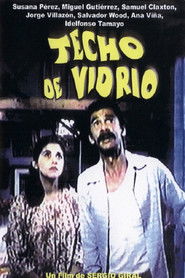
Techo de Vidrio
Year:
1981
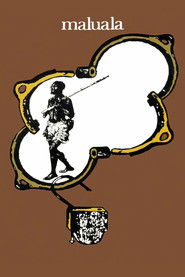
Maluala
In 19th century Cuba, runaway African slaves known as 'Cimarrons' hiding in settlements in the eastern mountains. But discord among the Cimarrons is sown by a limited offer of freedom from the Spanish. Maluala is part of a trilogy of films about Cuba's slave uprisings made by Sergio Giral, the best known Afro-Cuban director.Year:
1979
Rancheador
A historical epic, cast in the style of a realistic narrative with symbolic overtones, about runaway slaves and their hunters in the mid-nineteenth century, which weaves an analysis of the factional divisions between coffee and sugar interests, plantation owners and smallholders, around the drama of the Rancheador searching for the mythical rebel slave leader, Mother Manchora.Year:
1979
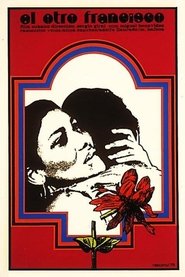
The Other Francisco
Based on the novel Francisco by Anselmo Suárez y Romero, "The Other Francisco" is a socio-economic analysis of slavery and class struggle through the retelling of the original novel. The film contrasts the romantic conceptions of plantation life found in Suárez Romero's novel with a realistic expose of the actual historical conditions of slavery throughout the Americas. It offers a critical analysis of the novel, showing how the author's social background led to his use of particular dramatic structures to convey his liberal, humanitarian viewpoint.Year:
1975
The Other Francisco
Based on the novel Francisco by Anselmo Suárez y Romero, "The Other Francisco" is a socio-economic analysis of slavery and class struggle through the retelling of the original novel. The film contrasts the romantic conceptions of plantation life found in Suárez Romero's novel with a realistic expose of the actual historical conditions of slavery throughout the Americas. It offers a critical analysis of the novel, showing how the author's social background led to his use of particular dramatic structures to convey his liberal, humanitarian viewpoint.Year:
1975
El extraño caso de Rachel K
Based on a real event, the action takes place in Havana in 1931, during the dictatorship of Gerardo Machado. Rachel, a young French showgirl, is murdered during an orgy involving personalities of the bourgeoisie and politics. The tabloid press echoes the story to divert public attention from the serious social problems that affect the country. The governors on their part order to silence the case to protect the characters involved.Year:
1973
