Аватар персоны Sérgio Ricardo

Sérgio Ricardo

ActorDirectorWriterProducer
João Lutfi (18 June 1932 – 23 July 2020), known professionally as Sérgio Ricardo, was a Brazilian actor, musician, playwright and filmmaker, better known for being responsible for the soundtrack of Glauber Rocha's "Deus e o Diabo na Terra do Sol" ("Black God, White Devil"). Born in a Lebanese-Brazilian family in Marília, São Paulo, and brother to famed director of photography Dib Lutfi, João got his stage name from TV businessmen who wanted to rebrand him as a leading man with an iconic name during his early gigs as an actor. He's maily associated with the Cinema Novo (Brazilian New Wave) movement, but stayed active until 2018. During the Cinema Novo days, Ricardo directed short film "Menino da Calça Branca" (1961) and "Esse Mundo É Meu" (1963), his feature-length debut. Among other notorious works in his career as a filmmaker is "A Noite do Espantalho", which shows Ricardo's talent as a polymath by mixing filmmaking with folk music and other elements of Brazilian popular culture, such as "cordel" literature. Ricardo moved to the Vidigal slum, in Rio de Janeiro, by choice in the 1970s, where he lived until his death in 2020. "Bandeira de Retalhos" (2018), his last film, was adapted by a theatre play also written by him and chronicles the life in 1970s Vidigal.

18-06-1932

Birthday

Gemini

Zodiac Sign

-

Genres

24

Total Films

Also known as (male)

Marília, São Paulo, Brazil

Place of Birth

Popular works

Creative career

actor

24 Works

producer

1 Works

director

33 Works

writer

9 Works

other

16 Works

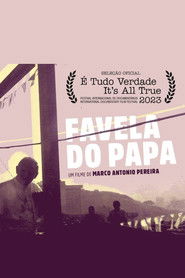
Favela do Papa

Favela do Papa

The film shows the resistance movement of the residents of Favela do Vidigal against the removal order, an important chapter in the history of Rio de Janeiro in the 1970s.
0.0

Year:

2023

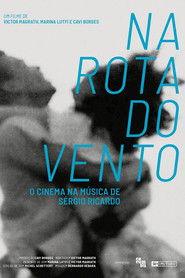
Na Rota do Vento

Na Rota do Vento

It is a realistic musical documentary, mixing the old and the new, exchanging chronological positions, creating a suggestive carousel for the audience. A tribute to Sérgio Ricardo's cinematographic work narrated through the assembly of scenes and tracks taken from the 7 films he directed. In this anthology, the most recurrent theme in the author's work is portrayed: the struggle of the oppressed worker who finds love, music and the community his escape valve.
0.0

Year:

2019

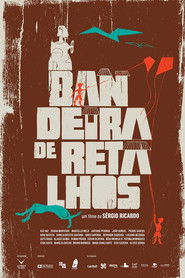
Bandeira de Retalhos

Bandeira de Retalhos

Vidigal Hill, 1977. A runaway group of bandits engage in a complex love triangle in the brink of the news that the corrupt Rio de Janeiro mayor decided to make everyone move out of Vidigal, aided by police forces.
0.0

Year:

2018

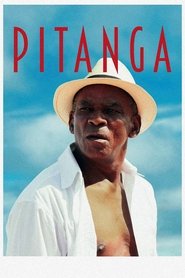
Pitanga

Pitanga

This documentary investigates the aesthetic, political and existential trajectory of emblematic Black Brazilian actor Antônio Pitanga. His career spans over five decades, and he has worked with iconic Brazilian filmmakers Glauber Rocha, Cacá Diegues and Walter Lima Jr. He was a prominent figurehead and outspoken activist during the Brazilian dictatorship, a period of unrest in Brazilian cinema. "Pitanga" deep dives into the world of Antônio and the history of Brazil. The documentary was directed by his daughter Camila Pitanga, one of widely recognised faces in Brazilian television and cinema right now. The film is also a poem, and a tender ode to fatherhood.
5.6

Year:

2016

Pé Sem Chão

Pé Sem Chão

Vidigal, Rio de Janeiro. A woman is left desperate and hopeless after she is evicted from her house with her disabled son.
5.0

Year:

2014

Two Rabbits

Two Rabbits

Edgar is a young upper-middle class man, close to completing 30 years old, he lives a full life crisis and is in a position common to the vast majority of Brazilians. On the one hand the power, represented by a corrupt state, abusive and absent in their taxes before their obligations. On the other, crime increasingly organized violence became a constant in the lives of citizens in large cities. Edgar responds to all this as a modern vigilante. With the help of ingredients such as technology, counter-information and manipulation, Edgar concocts a brilliant plan, using the greed of their opponents as the reason for its destruction. As the plot unfolds, we know more about the dark past of each character as Edgar fit the pieces together in an intriguing puzzle that makes up the film's plot.
6.9

Year:

2012

A Night in 67

A Night in 67

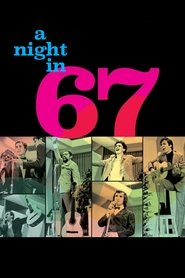
In the 1970s, "festivals" were incredibly popular in Brazil, as they were recorded before a live studio audience, and usually featured a number of elimination rounds. They also formed the springboard for the career of many a big-name stars, such as Chico Buarque, Caetano Veloso, Roberto Carlos and Gilberto Gil. Appearing on such a program was no cakewalk, however: audiences could be as wild in their condemnation as in their appreciation of an artist. Extensive archive footage (including performances and behind-the-scenes interviews) from the turbulent final evening of the Festival of Brazilian Popular Music 1967 paints a fascinating picture, not only of the transformation of Brazilian music into real "festival" music, but also of a society starting to buck against the yoke of military rule.
7.0

Year:

2010

Milagrez

Milagrez

Documentary on "Antonio das Mortes", Glauber Rocha's 1969 film.
0.0

Year:

2008

Depois do Transe

Depois do Transe

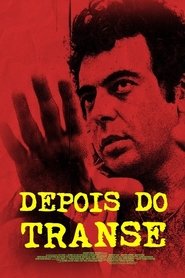
The documentary "Depois do Transe" covers the entire process of creating the masterpiece "Entranced Earth", which was released and awarded at the Cannes Film Festival in 1967. "Entranced Earth" charmed the world and won great admirers such as filmmaker Martin Scorsese and the writer Marguerite Duras, who at the time considered a "fabulous filmic opera."
2.0

Year:

2006

Descobrindo Waltel

Descobrindo Waltel

0.0

Year:

2005

Coisa Mais Linda - Histórias e Casos da Bossa Nova

Coisa Mais Linda - Histórias e Casos da Bossa Nova

Documentary about the birth of bossa-nova, in Brazil, and the major stars of this musical style.
7.5

Year:

2005

Glauber Rocha - The Movie, Brazil's Labyrinth

Glauber Rocha - The Movie, Brazil's Labyrinth

Documentary about Brazilian filmmaker Glauber Rocha, one of the most important names in the Cinema Novo, with interviews with some of his friends and colleagues.
5.8

Year:

2003

Zelão

Zelão

Sérgio Ricardo's only animation film, a short made as a companion piece to his song "Zelão".
0.0

Year:

1999

Dib

Dib

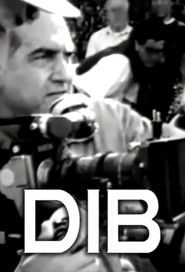
Documentary that addresses, through the testimony of directors and actors, the work of Dib Lutfi, considered one of the greatest photographers of Brazilian cinema.
0.0

Year:

1997

Para Viver Um Grande Amor

Para Viver Um Grande Amor

Poor people who live in the slums in Rio de Janeiro decide to occupy an empty apartment building in the rich part of the city. Meanwhile, a rich girl falls in love with a poor composer. Based on the musical play "Pobre Menina Rica", by Vinícius de Moraes and Carlos Lyra.
4.3

Year:

1984

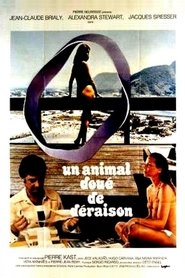
Un animal doué de déraison

Un animal doué de déraison

A wealthy French promoter living in Rio tries to seduce Alexandra, a young woman of high society, but a prisoner of her strict education. He then shared his project with a journalist friend, who decided to make it the theme of a novel he imagined in 18th century Brazil...
5.0

Year:

1976

O Tempo e o Som

O Tempo e o Som

0.0

Year:

1970

Esse Mundo é Meu

Esse Mundo é Meu

The film follows two men living in a Rio de Janeiro slum: a black shoe-shiner and a white mill worker.
7.0

Year:

1964

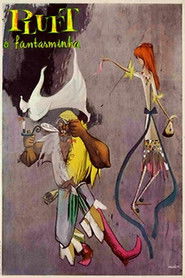
Pluft, o Fantasminha

Pluft, o Fantasminha

It tells the story of a girl being abducted by the evil pirate with a wooden leg.
6.0

Year:

1962

Pé na Tábua

Pé na Tábua

Petrônio drives a bus and his friend Cabeleira is a ticket collector. When Petrônio's sister needs money to do a surgery they get involved with a film production company, where a psychopath is trying to be the protagonist of the movie.
0.0

Year:

1957