Tai Katō
25-08-1916
Birthday
Virgo
Zodiac Sign
-
Genres
0
Total Films
Тай Като
Also known as (male)
Kobe, Japan
Place of Birth
25-08-1916
Birthday
Virgo
Zodiac Sign
-
Genres
0
Total Films
-
Also Known As (male)
Kobe, Japan
Place of Birth

25-08-1916
Birthday
Virgo
Zodiac Sign
-
Genres
0
Total Films
Тай Като
Also known as (male)
Kobe, Japan
Place of Birth
25-08-1916
Birthday
Virgo
Zodiac Sign
-
Genres
0
Total Films
-
Also Known As (male)
Kobe, Japan
Place of Birth
actor
0 Works
producer
0 Works
director
78 Works
writer
31 Works
other
5 Works

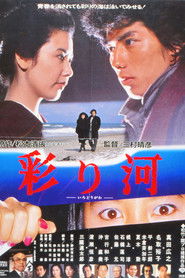
The Street of Desire
A valet at a fancy nightclub hatches a plot to punish those responsible for his father's death.Year:
1984

Amagi Pass
Japan in the 1940s. A high school boy went into a magic encounter with Ozuka Hana, a geisha (pub-girl) when he traveled through Amagi Pass. A mysterious murder took place afterwards, an Ozuka was held responsible. 40 years later, the boy, who became a printing shop owner, was visited by a retired policeman who came from Amagi Pass. The truth then started to reveal itself.Year:
1983

The Ondekoza
A documentary profiling a Japanese taiko drumming group based in the remote Sado Island, Japan. The film blurs the line between real-life documentary footage of the troupe's training and practice regimes, and staged performances of their varied musical acts, with sets designed by artist Tadanori Yokoo and an additional experimental electronic music score by Toshi Ichiyanagi.Year:
1981

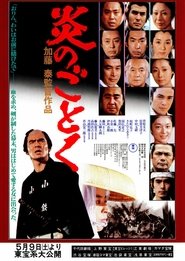
Flames of Blood
The story is set in Bakumatsu and revolves around the Bunta Sugawara character, a yakuza (of course :) but instead of a modern yakuza/gangster, he's a gambler/bakuto). After he kills someone and gets wound, is saved by a blind woman (Mitsuko Baishô), who took care of him. They has a happy time under the protection of the Tomisaburo Wakayama character, an oybun. But of course, happy time doesn't last long. The story is also related to Okada Izo and the Shinsengumi (w/ Kondo Isami played by Makoto Sato)Year:
1981

Flames of Blood
The story is set in Bakumatsu and revolves around the Bunta Sugawara character, a yakuza (of course :) but instead of a modern yakuza/gangster, he's a gambler/bakuto). After he kills someone and gets wound, is saved by a blind woman (Mitsuko Baishô), who took care of him. They has a happy time under the protection of the Tomisaburo Wakayama character, an oybun. But of course, happy time doesn't last long. The story is also related to Okada Izo and the Shinsengumi (w/ Kondo Isami played by Makoto Sato)Year:
1981

A Scream from Nowhere
In 1930, the chance meeting of a novelist and one of his fans opens the door to a series of mysterious events culminating in the death of a wealthy industrialist who may have been leading a double life.Year:
1977

A Scream from Nowhere
In 1930, the chance meeting of a novelist and one of his fans opens the door to a series of mysterious events culminating in the death of a wealthy industrialist who may have been leading a double life.Year:
1977

Takehisa Yumeji monogatari: koi suru
Based on the life of artist Yumeji TakehisaYear:
1975

The Blossom and the Sword
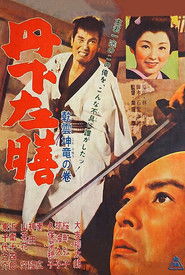
Tai Kato’s early 20th century set yakuza epic about an ordinary merchant girl (Hiroko Maki) who crosses paths with an assassin (Tetsuya Watari). The encounter sends her to jail as a suspected accomplice. Years later she marries a yakuza boss, whose gang is affiliated with working class people.Year:
1973

The Blossom and the Sword
Tai Kato’s early 20th century set yakuza epic about an ordinary merchant girl (Hiroko Maki) who crosses paths with an assassin (Tetsuya Watari). The encounter sends her to jail as a suspected accomplice. Years later she marries a yakuza boss, whose gang is affiliated with working class people.Year:
1973

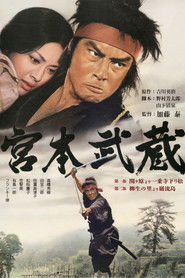
Miyamoto Musashi
In Part I we see the young would-be swordsman setting out to achieve greatness in war, achieving nothing because fighting on the losing side, & then beginning his long period of wandering & training, with the goal always in mind of his duel with Kojiro. Part II builds toward that great duel on Ganryu Island, with considerable focus on Musashi's planning & forethought as to how to gain an advantage.Year:
1973

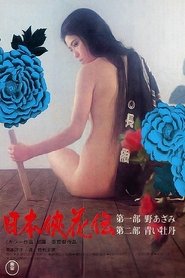
Flower and Dragon
Kingoro Tamai moves with his wife and son to the port city of Wakamatsu. He organizes the Tamai-gumi, a stevedore group, to vie for work with two other powerful groups. Gingo is Tamai's chief rival who falls in love with the latter's wife and tries to kill Tamai.Year:
1973

Flower and Dragon
Kingoro Tamai moves with his wife and son to the port city of Wakamatsu. He organizes the Tamai-gumi, a stevedore group, to vie for work with two other powerful groups. Gingo is Tamai's chief rival who falls in love with the latter's wife and tries to kill Tamai.Year:
1973

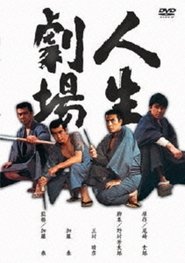
Theater Of Life
Centred on Aonari Hyokichi, a young literary man with aspirations to become a writer, and the surrounding people, including Kira Tsuneo and Tobigashikaku.Year:
1972

Theater Of Life
Centred on Aonari Hyokichi, a young literary man with aspirations to become a writer, and the surrounding people, including Kira Tsuneo and Tobigashikaku.Year:
1972

Modern Lady Gambler
Fujiko wanders aimlessly through the country, seeking vengence on the man she onced loved, who betrayed her, and destroying her family and her life. When she discovers that man had already died, she loses her will to live. But in a twist of fate, she meets Tatsumi, a raising star in the Horikawa Family. She quickly falls in love with him and his yakuza lifstyle. But when Tatsumi is chosen to but the next Boss of the family, his jealous sworn brother Morito kills him with the help of a mysterious man behind the scenes. Now Fujiko becomes a Bakuto, a wandering yakuza gambler, and once again, walks the bloody path of vengence...Year:
1972

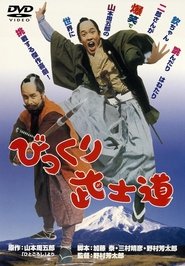
The Witty Samurai
The story of a timid samurai attempting to rid his name of the stigma attached to it.Year:
1972

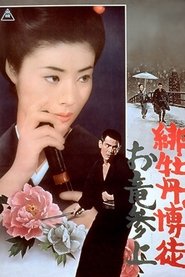
Red Peony Gambler: Here to Kill You
The seventh chapter of the stunning Hibotan Bakuto series. Many years have passed since Oryu the Red Peony began her soul-searching journey after her father was killed. In her travels, she meets villagers whose crops and livelihoods are being destroyed by pollution from a local factory. They seem to work out an agreement, but Oryu must help the poor villagers when the greedy factory owner and corrupt politicians betray them…Year:
1971

Red Peony Gambler: Here to Kill You
The seventh chapter of the stunning Hibotan Bakuto series. Many years have passed since Oryu the Red Peony began her soul-searching journey after her father was killed. In her travels, she meets villagers whose crops and livelihoods are being destroyed by pollution from a local factory. They seem to work out an agreement, but Oryu must help the poor villagers when the greedy factory owner and corrupt politicians betray them…Year:
1971

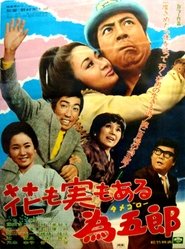
花も実もある為五郎
Year:
1971

Red Peony Gambler: Oryu's Return
Oryu searches for blind child she left behind and get involved in a Yakuza turf war that takes place in the Tokyo Theater.Year:
1970

Red Peony Gambler: Oryu's Return
Oryu searches for blind child she left behind and get involved in a Yakuza turf war that takes place in the Tokyo Theater.Year:
1970

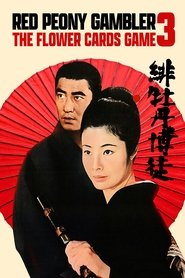
Red Peony Gambler: Flower Cards Game
The third chapter of the ‘Red Peony Gambler’ saga depicts the happiness and sadness of Red Peony Oryu’s life as she seals her femininity with a red peony tattoo and lives in world of chivalry and honor of the yakuza. This story takes place in the middle of the Meiji era in Nagoya. Oryu is wandering the country, training herself to reinstate her family name. With a written recommendation from Kumatora, she appears at the door of the Nishinomaru family. At the same time, the family is preparing for the gambling competition at the Netsuda Shrine Festival, which they have been hosting for generations. Meanwhile, the crooked Kinbara family is plotting to take over the competition. And now Oryu is forced to get involved in the struggle…Year:
1969

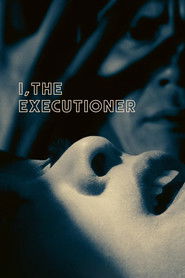
I, the Executioner
Police investigators investigate the link between a serial killer's machinations and a teenage boy who committed suicide.Year:
1968

I, the Executioner
Police investigators investigate the link between a serial killer's machinations and a teenage boy who committed suicide.Year:
1968

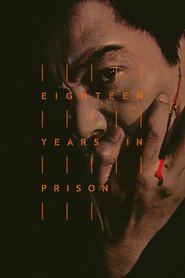
Eighteen Years in Prison
A former soldier is caught working the black market and sent to prison while his partner escapes and goes on to become a gangster, but their paths cross again as they both fall in love with the same woman.Year:
1967

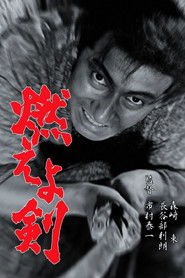
The Blazing Sword
Set during the last days of the Tokugawa (Edo) Period, Moeyo-ken tells the story of Hijikata Toshizo and the Shinsengumi. Hijikata Toshizo is a samurai eager to test his skills and sword and make his first kill. The dojo he belongs to practices the Tennen Rishin style and teaches this to farmers. Not considered real samurai by other dojo's, they receive a request for a duel by a rival dojo practicing the Kogen Itto style. Sohaku Rokusha, a teacher there, challenges them and fights with Hijikata Toshizo. The outcome of the fight creates a deadly animosity between them that lasts through the ages.Year:
1966

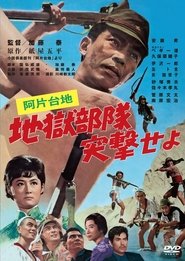
Opium Plateau: Hell Squad, Charge!
Following “A Man's Face Shows His Personal History”, this movie is the second of the “Trilogy of the Wartime Generation”. It is a war drama set in China and depicts battles over opium.Year:
1966

Opium Plateau: Hell Squad, Charge!
Following “A Man's Face Shows His Personal History”, this movie is the second of the “Trilogy of the Wartime Generation”. It is a war drama set in China and depicts battles over opium.Year:
1966

Nothing But Bones
The harrowing joruney of Kinu Wada, a young woman who is sold into prostitution to pay her family's debts.Year:
1966

Tokijiro: Lone Yakuza
Tokijiro has the unfortunate duty according to the code of the gamblers to join in the fighting when afforded a night’s stay and meals at the home of a town boss. Though he dislikes killing, the strength of his swordsmanship will be tested time and time again in the bloody tale.Year:
1966

By a Man's Face Shall You Know Him
Immigrant gangs terrorize a Japanese town with their threats, loud jazz, and tasteless fashion sense, and only the tough but suave Dr. Amamiya (Ando) can stop them, as long as he gets rid of his silly peace-loving ideals.Year:
1966

By a Man's Face Shall You Know Him
Immigrant gangs terrorize a Japanese town with their threats, loud jazz, and tasteless fashion sense, and only the tough but suave Dr. Amamiya (Ando) can stop them, as long as he gets rid of his silly peace-loving ideals.Year:
1966

Blood of Revenge
Osaka, 1907: Asajiro lives between a rock and a hard place: he has to keep his business clean and running, tame his late oyabun’s hot-blooded son and suffer the throes of his impossible love for beautiful geisha Hatsue.Year:
1965

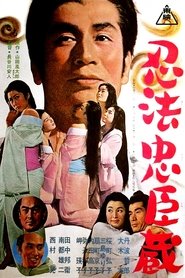
Tale of Ninja Duty
Mumyo Tsunataro killed his betrayed fiance Orie and He flees to Utsunomiya. On his way he happens to saves Chisaka Hyobu's daughter Oyu (She is exactly like Orie) be attacked by ninja. Thus he stays Chisaka's residence in Yonezawa. Chisaka was just trying to stop Forty-seven ronin's revenge against Kira Kozukenosuke by female ninja's sexual entrapment. Chisaka asks Tsunataro to lead female ninja. Tsunataro accepts the request on condition of marriage to Oyu.Year:
1965

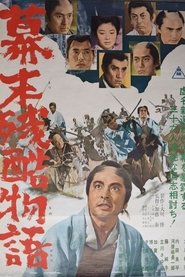
Cruel Story of the Shogunate's Downfall
A headstrong young man seeks to join the Shinsengumi, but while his determination impresses his superiors, questions begin to arise as to his true identity and intentions.Year:
1964

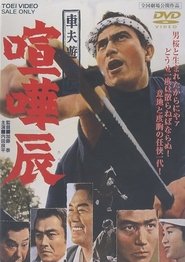
Fighting Tatsu, the Rickshaw Man
Richshaw man Tatsu has wandered to Osaka from Tokyo. He has quarrels with Kimiyakko, a geisha, and throws her into the river. But later, he falls in love with her. Yasaburo, the oyabun of the Nishikawa Gang, loves her very much too. However, as he likes Tatsu's dynamic personality, he volunteers to become a go-between for their marriage. Yasaburo gets tipped off by Yajima who wants to take over the territory of the Nishikawa Gang, and is arrested and imprisoned. After his release, Yajima tries to kill him. Ginjiro, a lover of Tamaryu respects Kimiyakko as an older sister and a follower of Tatsu, is murdered. After the third marriage ceremony just between Tatsu and Kimiyakko, Tatsu goes off to the place of fighting.Year:
1964

Fighting Tatsu, the Rickshaw Man
Richshaw man Tatsu has wandered to Osaka from Tokyo. He has quarrels with Kimiyakko, a geisha, and throws her into the river. But later, he falls in love with her. Yasaburo, the oyabun of the Nishikawa Gang, loves her very much too. However, as he likes Tatsu's dynamic personality, he volunteers to become a go-between for their marriage. Yasaburo gets tipped off by Yajima who wants to take over the territory of the Nishikawa Gang, and is arrested and imprisoned. After his release, Yajima tries to kill him. Ginjiro, a lover of Tamaryu respects Kimiyakko as an older sister and a follower of Tatsu, is murdered. After the third marriage ceremony just between Tatsu and Kimiyakko, Tatsu goes off to the place of fighting.Year:
1964

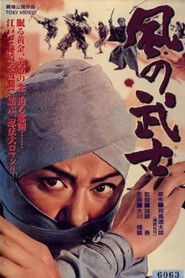
Warrior of the Wind
A suspenseful Ninja fantasy based on Shiba Ryotaro's novel, woven with the mysterious fate and romance of Shinzo and a beautiful Princess who find themselves at the center of an intrigue surrounding the legendary land of Yasurai in the mountains of Kumano. Hidden gold, the love of a beautiful Princess, and the approaching evil sword all contribute in bringing you a Ninja action thriller that only the legendary actor Okawa Hashizo and the genius director Kato Tai could produce!Year:
1964

The Honest Fool
Yasugoro, goes to live in a quiet town where he falls in love with the priest's daughter-in-law. His does not declare his love because she is married, but he goes on a mission to please her, and is blinded. Then her husband dies and she remarries before Yasugoro can confess his love.Year:
1964

Sasuke and His Comedians
Osaka in the early 1600s, aftermath of the historical Battle of Sekigahara; a group of orphan children are wandering through the battlefield scavenging for armour when they encounter a young boy named Sasuke with magical powers he says came from a meteor that crashed onto the Earth…Year:
1963

River Washes Away the Moon
Year:
1963

Bloody Record of the Shinsengumi
Year:
1963

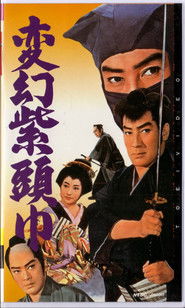
The Mysterious Purple Hood
The Purple-Hooded Man, Japan's version of Robin Hood, tries to uncover a corruption scandal in Edo era Japan.Year:
1963

Abekobe dōchū
Year:
1962

Tange Sazen: Heavenly Clouds, Earthly Dragon
This movie depicts a familiar samurai Tange Sazen story realistically. Tange loses one of his eyes and arms in an attempt to recover a masterpiece sword for his lord. However, his efforts are not appreciated and he becomes a man of hatred.Year:
1962

In Search of Mother
Period piece about a young man who, because of his hard life alone in the world, has become a yakuza. When he hears that his mother may be living in Edo (Tokyo), he travels there, intent on finding her and leaving the swordsman's life behind. But a team of rival gangsters is hot on his heels.Year:
1962

In Search of Mother
Period piece about a young man who, because of his hard life alone in the world, has become a yakuza. When he hears that his mother may be living in Edo (Tokyo), he travels there, intent on finding her and leaving the swordsman's life behind. But a team of rival gangsters is hot on his heels.Year:
1962

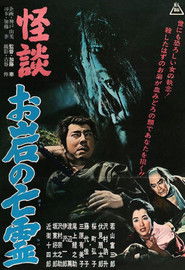
The Tale of Oiwa's Ghost
Yotsuya Kaidan, the story of Oiwa and Tamiya Iemon, is a tale of betrayal, murder and ghostly revenge. Arguably the most famous Japanese ghost story of all time, it has been adapted for film over 30 times, and continues to be an influence on Japanese horror today.Year:
1961

The Tale of Oiwa's Ghost
Yotsuya Kaidan, the story of Oiwa and Tamiya Iemon, is a tale of betrayal, murder and ghostly revenge. Arguably the most famous Japanese ghost story of all time, it has been adapted for film over 30 times, and continues to be an influence on Japanese horror today.Year:
1961

Way of Morning Mist
Jidaigeki by Tai KatoYear:
1961

Castle of Flames
In 17th century Japan, Young Lord Masato returns after years abroad to find everything changed: his peace-loving father has died in what he soon finds to be mysterious circumstances, and his mother's married to his uncle, whose ruthless ambition is causing turmoil in the kingdom. Not knowing who to trust, Masato feigns madness, vowing to get to the truth, even though his act causes distress to the girl he loves, who's waited for him all these years. The ghost of his father turns up now and then to show him the way. Meanwhile a peasant revolt is brewing... It all ends tragically.Year:
1960

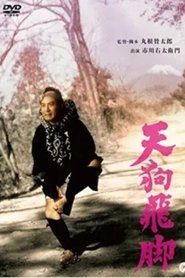
Road Warriors
A dashing edition with fights , love, and laughter, in which the sorrows and joys of the guiltless world are colored by the guiltless travel crow, Ayame 's Gantaro, with the turbulent and exciting Wakizashi Hitoshi .Year:
1960

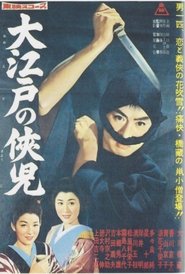
The Chivalrous Youth of Great Edo
Jidaigeki by Tai KatoYear:
1960

The Chivalrous Youth of Great Edo
Jidaigeki by Tai KatoYear:
1960

Mission to Hell
A samurai warrior attempts to stop Kublai Khan's Mongol hordes from overrunning Japan in the 13th century.Year:
1959

Mission to Hell
A samurai warrior attempts to stop Kublai Khan's Mongol hordes from overrunning Japan in the 13th century.Year:
1959

Turbulent Highways
Year:
1959

A Young Rabble
When an altercation with a gangster forces Kikutaro to leave Edo, he is sent by his father to Hamamatsu to find a better direction in life. However, trouble seems to follow Kikutaro on the road leading him eventually to come face to face with his rival, Gonkuro.Year:
1959

Eight Views of Samurai
Bright samurai movie innovatively adapted from a classic story. A traveling masterless samurai is asked by a daughter of an established samurai family to pretend they are a married couple, and gets involved in the troubles of the samurai clan.Year:
1958

Wind, Woman and Road
A chance meeting between two traveling gamblers leads to a case of mistaken identity when the farmers transporting gold to the governor think they are about to be robbed as the two gamblers face off against each other swords in hand.Year:
1958

Tales of Young Genji Kuro 2
Thanks to a secret message hidden on the two sacred swords Kaen and Suien, the samurai Genji Kurô (Nakamura Kinnosuke) found the hidden treasure of Lord Yoshitsune. When he gives a piece of the treasure to a couple of poor but honest people so they can pay their debts, it attracts the unwanted attention of several dishonest people, such as pirates, greedy merchants and rebels. While the government is fighting a battle for power against rebels and royalists, all want the treasure by any means possible.Year:
1958

Tales of Young Genji Kuro 2
Thanks to a secret message hidden on the two sacred swords Kaen and Suien, the samurai Genji Kurô (Nakamura Kinnosuke) found the hidden treasure of Lord Yoshitsune. When he gives a piece of the treasure to a couple of poor but honest people so they can pay their debts, it attracts the unwanted attention of several dishonest people, such as pirates, greedy merchants and rebels. While the government is fighting a battle for power against rebels and royalists, all want the treasure by any means possible.Year:
1958

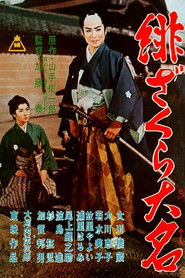
The Scarlet Cherry Lord
Light-hearted samurai comedy. The second son of a feudal lord runs away from an arranged marriage. He saves the life of a princess whom he gets to fall in love with. It turns out that she is just his prospective bride.Year:
1958

Tales of Young Genji Kuro
Genji Kurô is a master swordsman and entrusted with protecting the ancient sword Kaen by the Otsubo family.Year:
1957

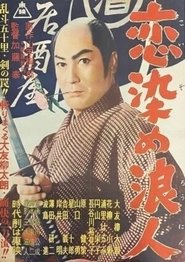
Lovestruck Ronin
Tai Kato's first film directed at Toei.Year:
1957

むっつり右門捕物帖 鬼面屋敷
1955 Japanese movieYear:
1955

Gyakushû Orochimaru
An early fantasy film starring Tomisaburô Wakayama.Year:
1955

Ninja Arts of Jiraiya
Ninja film by Tai KatoYear:
1955

Chronicle of the Bulbul
Early jidaigeki by Tai KatoYear:
1952

Shimizu Harbor Is More Frightening Than the Devil
Early jidaigeki by Tai Kato.Year:
1952

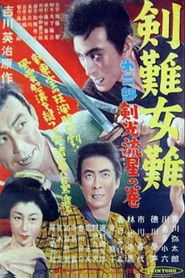
Trouble Over Swords and Women: Sword Light and Shooting Star
film directed by Tai KatôYear:
1951

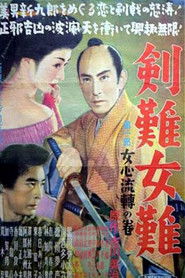
Trouble Over Swords and Women: A Woman's Mind
Year:
1951

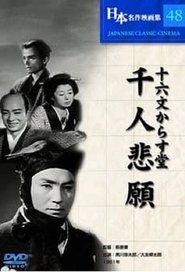
Jūrokumon karasudō: Sennin higan
Japanese film.Year:
1951

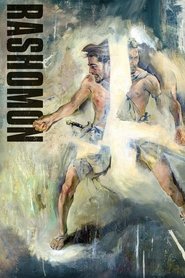
Rashomon
Brimming with action while incisively examining the nature of truth, "Rashomon" is perhaps the finest film ever to investigate the philosophy of justice. Through an ingenious use of camera and flashbacks, Kurosawa reveals the complexities of human nature as four people recount different versions of the story of a man's murder and the rape of his wife.Year:
1950

Goblin Courier
Jida-geki by Santaro Marune.Year:
1949

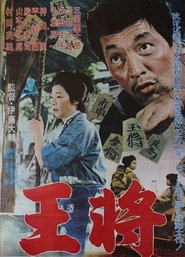
The Grand Master
Shogi, a Japanese form of chess, is a game that requires skill and determination. When poor sandal-maker Sakata decides to pursue his dream of becoming the Shogi Grand Master Champion, everything is at stake – including his family. What will it cost for Sakata to follow his passion?Year:
1948

The Abe Clan
“19 vassals of Lord Hosokawa ask permission to commit harakiri with him, as a demonstration of their loyalty. Only Yaichiemon Abe is refused permission, forced instead into the vassalage of his lord’s successor. Humiliated and derided, Yaichiemon eventually commits harakiri without permission. His eldest son is then punished for Yaichiemon’s suicide, and when he resists, is sentenced to death. The entire Abe clan rebels upon the son’s execution, and the clan is annihilated.” --Alan Poul, Japan SocietyYear:
1938