


Tamara Dondurey
Director
-
Birthday
-
Zodiac Sign
-
Genres
0
Total Films
Tamara Dondurei
Also known as (female)
Place of Birth
-
Birthday
-
Zodiac Sign
-
Genres
0
Total Films
Tamara Dondurei
Also Known As (female)
-
Place of Birth
-
Birthday
-
Zodiac Sign
-
Genres
0
Total Films
Tamara Dondurei
Also known as (female)
Place of Birth
-
Birthday
-
Zodiac Sign
-
Genres
0
Total Films
Tamara Dondurei
Also Known As (female)
-
Place of Birth
actor
0 Works
producer
0 Works
director
10 Works
writer
3 Works
other
3 Works
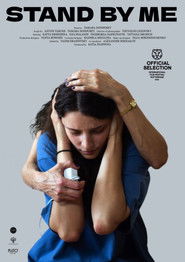
Stand by Me
Kira is a 30-year-old successful architect living in the illusion of absolute choices while being obsessed with constructing the ideal Moscow. She is used to living life according to her own rules, but she has to face her fear of the future and inability to love. An unexpected tragedy will lead Kira to face her past with her family, start life from the scratch, and become a mother.Year:
2022
Stand by Me
Kira is a 30-year-old successful architect living in the illusion of absolute choices while being obsessed with constructing the ideal Moscow. She is used to living life according to her own rules, but she has to face her fear of the future and inability to love. An unexpected tragedy will lead Kira to face her past with her family, start life from the scratch, and become a mother.Year:
2022
Daniil Dondurey: Fragments
This film was shot during the last year of Daniil Dondurey’s life in Moscow and Tel Aviv, where he was receiving treatment. Dondurey’s monologue is broken up by city landscapes, the animated buzz of a café, the silence of an emptied dacha… Dondurey talks about his pursuits, encounters, and tastes; he recalls his student years in Leningrad. He jokes, smiles, and hopes.Year:
2018
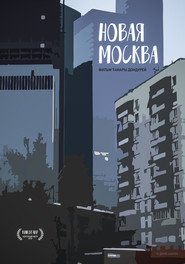
New Moscow
New Moscow is an essay film about the city and its residents. Three different stories unfold in front of the lens, but all of them are united one way or another by the motif of nostalgia for youth, its achievements and traumas. The reverse movement of time becomes a form for a poetic conversation about the changeable nature of space.Year:
2018
New Moscow
New Moscow is an essay film about the city and its residents. Three different stories unfold in front of the lens, but all of them are united one way or another by the motif of nostalgia for youth, its achievements and traumas. The reverse movement of time becomes a form for a poetic conversation about the changeable nature of space.Year:
2018
New Moscow
New Moscow is an essay film about the city and its residents. Three different stories unfold in front of the lens, but all of them are united one way or another by the motif of nostalgia for youth, its achievements and traumas. The reverse movement of time becomes a form for a poetic conversation about the changeable nature of space.Year:
2018
New Moscow
New Moscow is an essay film about the city and its residents. Three different stories unfold in front of the lens, but all of them are united one way or another by the motif of nostalgia for youth, its achievements and traumas. The reverse movement of time becomes a form for a poetic conversation about the changeable nature of space.Year:
2018
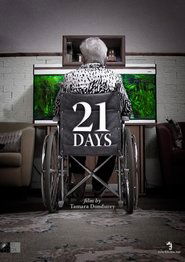
21 Days
Twenty-one day is a time period that terminal patients are allowed to stay in hospice. Time is pulsating here according to peculiar inner cycles: getting faster, slower or returning to its ordinary rhythm. We wander through physical and mental spaces: wards, gardens, memories. It is a story of two main protagonists, yet two strangers, for whom the regular talk about death constitutes an integral part of life.Year:
2014
21 Days
Twenty-one day is a time period that terminal patients are allowed to stay in hospice. Time is pulsating here according to peculiar inner cycles: getting faster, slower or returning to its ordinary rhythm. We wander through physical and mental spaces: wards, gardens, memories. It is a story of two main protagonists, yet two strangers, for whom the regular talk about death constitutes an integral part of life.Year:
2014
21 Days
Twenty-one day is a time period that terminal patients are allowed to stay in hospice. Time is pulsating here according to peculiar inner cycles: getting faster, slower or returning to its ordinary rhythm. We wander through physical and mental spaces: wards, gardens, memories. It is a story of two main protagonists, yet two strangers, for whom the regular talk about death constitutes an integral part of life.Year:
2014

