

Þrándur Thoroddsen
Director
-
Birthday
-
Zodiac Sign
-
Genres
0
Total Films
Also known as (female)
Place of Birth
-
Birthday
-
Zodiac Sign
-
Genres
0
Total Films
-
Also Known As (female)
-
Place of Birth
-
Birthday
-
Zodiac Sign
-
Genres
0
Total Films
Also known as (female)
Place of Birth
-
Birthday
-
Zodiac Sign
-
Genres
0
Total Films
-
Also Known As (female)
-
Place of Birth
actor
0 Works
producer
0 Works
director
12 Works
writer
3 Works
other
6 Works
The Great Wild Brownie
The river Laxá in Laxárdal valley is considered to be one of the best rivers in the world for brown trout. It is definitely the best in Europe and anglers from all over the world come there year after year for fishing. This film is about one such man called Art Lee, a well known sportswriter from U.S.A. He has come to Iceland for many years to enjoy fishing for the Laxá brownie.Year:
1990
Seal Hunting
There is a long tradition of hunting seals in Iceland. This film is about one such hunting trip on the South-east coast of Iceland where farmers catch the seals in nets in the glacial waters stemming from Vatnajökull, Europe's biggest glacier.Year:
1990
Seal Hunting
There is a long tradition of hunting seals in Iceland. This film is about one such hunting trip on the South-east coast of Iceland where farmers catch the seals in nets in the glacial waters stemming from Vatnajökull, Europe's biggest glacier.Year:
1990
Seal Hunting
There is a long tradition of hunting seals in Iceland. This film is about one such hunting trip on the South-east coast of Iceland where farmers catch the seals in nets in the glacial waters stemming from Vatnajökull, Europe's biggest glacier.Year:
1990
Will There Be Salmon Tomorrow?
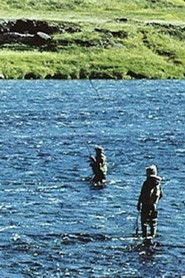
The film shows in detail how Icelandic rivers are cultivated, with particular emphasis on maintaining fish stock. There are scenes from a salmon hatchery, the release of the young salmon, the catch of adult fish for egg collection and the salmon ladders. The second half of the film shows fishing in two of Iceland's finest rivers. There are many underwater shots which include the salmon taking the bait and its fight for survival.Year:
1983
Will There Be Salmon Tomorrow?
The film shows in detail how Icelandic rivers are cultivated, with particular emphasis on maintaining fish stock. There are scenes from a salmon hatchery, the release of the young salmon, the catch of adult fish for egg collection and the salmon ladders. The second half of the film shows fishing in two of Iceland's finest rivers. There are many underwater shots which include the salmon taking the bait and its fight for survival.Year:
1983
Will There Be Salmon Tomorrow?
The film shows in detail how Icelandic rivers are cultivated, with particular emphasis on maintaining fish stock. There are scenes from a salmon hatchery, the release of the young salmon, the catch of adult fish for egg collection and the salmon ladders. The second half of the film shows fishing in two of Iceland's finest rivers. There are many underwater shots which include the salmon taking the bait and its fight for survival.Year:
1983
240 Fish For 1 Cow
Made during a period when Iceland was still extending its fisheries' zone, this film deals with the total dependence of Icelanders on the fishing industry. The film is partly based on the author's personal reflections and includes an animated sequence of a T.V. interview with a cod.Year:
1973
Hekla, Ancient Gateway to Hell
This film is about one fo the eruptions of the well-known volcano, Hekla, in Southern Iceland. Usually the damage caused by Hekla is in the form of ashfall which ruins farmland and causes poisoning of animals. In some of the bigger eruptions, even farmlands in central Europe were affected by ash from Hekla. The eruption in this film occurred in 1970 and lasted a few weeks.Year:
1973
Hekla, Ancient Gateway to Hell
This film is about one fo the eruptions of the well-known volcano, Hekla, in Southern Iceland. Usually the damage caused by Hekla is in the form of ashfall which ruins farmland and causes poisoning of animals. In some of the bigger eruptions, even farmlands in central Europe were affected by ash from Hekla. The eruption in this film occurred in 1970 and lasted a few weeks.Year:
1973
Hekla, Ancient Gateway to Hell
This film is about one fo the eruptions of the well-known volcano, Hekla, in Southern Iceland. Usually the damage caused by Hekla is in the form of ashfall which ruins farmland and causes poisoning of animals. In some of the bigger eruptions, even farmlands in central Europe were affected by ash from Hekla. The eruption in this film occurred in 1970 and lasted a few weeks.Year:
1973
Hekla, Ancient Gateway to Hell
This film is about one fo the eruptions of the well-known volcano, Hekla, in Southern Iceland. Usually the damage caused by Hekla is in the form of ashfall which ruins farmland and causes poisoning of animals. In some of the bigger eruptions, even farmlands in central Europe were affected by ash from Hekla. The eruption in this film occurred in 1970 and lasted a few weeks.Year:
1973