

Tomáš Potočný
-
Birthday
-
Zodiac Sign
-
Genres
0
Total Films
Also known as (male)
Place of Birth
-
Birthday
-
Zodiac Sign
-
Genres
0
Total Films
-
Also Known As (male)
-
Place of Birth
-
Birthday
-
Zodiac Sign
-
Genres
0
Total Films
Also known as (male)
Place of Birth
-
Birthday
-
Zodiac Sign
-
Genres
0
Total Films
-
Also Known As (male)
-
Place of Birth
actor
0 Works
producer
0 Works
director
7 Works
writer
1 Works
other
6 Works
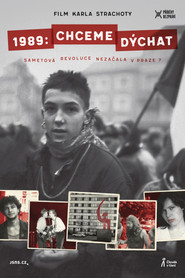
1989: Chceme dýchat
During the so-called normalization period, Teplice, once a beautiful spa town nicknamed "Little Paris," is devastated, much like the entire northwestern industrial border region. It is often shrouded in dense smog, making visibility limited to just a few meters. Teplice is also a stronghold of a specific punk subculture and a city of exceptional alternative culture. The story of Pavel and Renata primarily unfolds in Teplice. They aspire to live freely, in accordance with their ideals. However, their lives are consistently disrupted by the repressive communist regime.Year:
2023
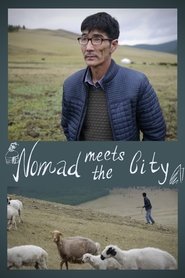
Nomad Meets the City
Currently Mongolia’s capital has 1.5 million inhabitants - half the population of the country. 50-year Tumurbaatar is only one of many coming to the city to fulfil their dreams of a better life.Year:
2020
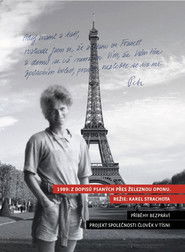
1989: Z dopisů psaných přes železnou oponu
An original film testimony about the time 30 years ago. Peter Kořínek is 21 years old, hailing from Pardubice. He listens to underground bands, reads samizdat books, and faces school troubles due to his long hair. He dreams of emigration. It is the beginning of 1989, and there is no indication that he will experience freedom in communist Czechoslovakia.Year:
2019
Czech children
One of the most notable anti-communist initiatives in the late 80s was the movement called Czech Children. They published their manifesto in May 1988, and the signatories were mostly young people. The movement expressed independent thinking and significantly contributed to the demonstrations in 1988 and 1989, especially during the so-called Palach Week in January 1989. In the document "Czech Children," the authors focus primarily on a young audience, aiming to remind them that the need to stand against injustice is not bound by age.Year:
2012
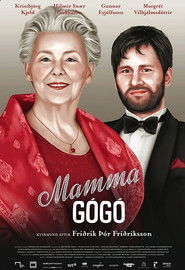
Mamma Gógó
Mamma Gógó is about Gógó, an elderly lady, who is diagnosed with Alzheimer disease and her son’s and family’s reaction to her illness. While Gógó is continuously getting herself into trouble, of the kind only a person with Alzheimer can, the son, the director, is struggling with financial troubles after his film Children of Nature has flopped in the cinema. As Gógó‘s disease progresses her family decides that it is best for her to move to a nursing home. Gógó and her deceased husband, who appears on the scene, are not happy with that decision. The director is dependent on others when it comes to his finances and when Gógó settles into the nursing home he decides to sell his mother’s apartment and valuable artwork but the profits of the sale help him to get by.Year:
2010
Fighting the Brain
A threefold portrait, presenting the reality within the limits of a subjective view, puts together the lives of an increasingly more remote writer and musician; a hacker, dreaming his dream of transformation into a purely virtual existence in the depths of technology; and an undertaker, unrealistic raconteur, living on the history of half-mythical Sudetenland.Year:
2009
Fighting the Brain
A threefold portrait, presenting the reality within the limits of a subjective view, puts together the lives of an increasingly more remote writer and musician; a hacker, dreaming his dream of transformation into a purely virtual existence in the depths of technology; and an undertaker, unrealistic raconteur, living on the history of half-mythical Sudetenland.Year:
2009