

William Brind
ProducerDirectorExecutive Producer
-
Birthday
-
Zodiac Sign
-
Genres
0
Total Films
Also known as (female)
Place of Birth
-
Birthday
-
Zodiac Sign
-
Genres
0
Total Films
-
Also Known As (female)
-
Place of Birth
-
Birthday
-
Zodiac Sign
-
Genres
0
Total Films
Also known as (female)
Place of Birth
-
Birthday
-
Zodiac Sign
-
Genres
0
Total Films
-
Also Known As (female)
-
Place of Birth
actor
0 Works
producer
9 Works
director
13 Works
writer
0 Works
other
2 Works
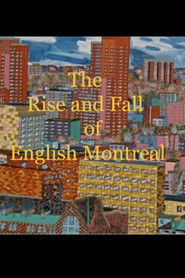
The Rise and Fall of English Montreal
In the past 20 years, some 300,000 English-speaking people have left Montréal, convinced they had no future in a Québec that had become increasingly French, increasingly nationalistic. In this video we meet some of the people who are moving away and recall the days, in the last century, when there were more English-speaking people than French in Montréal. The video poses a controversial question: Will the city, with its youth leaving in great numbers, become a community of the elderly, unable to renew itself?Year:
1993

Song of the Paddle
Join outdoorsman Bill Mason in this short documentary as he and his family go canoe camping in the wilderness. Gain an appreciation for the art of canoeing while watching a small group experience the sheer joy and beauty of Nature. Along the way, the Masons experience countless adventures and some breathtaking scenery, including Indian rock carvings at Lake Superior.Year:
1978
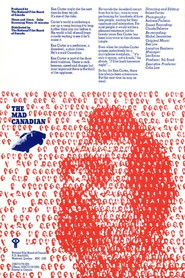
The Mad Canadian
A tense, tight close-up of stunt man Ken Carter's role on the stock-car racing track. Risking life and limb to rocket a car from a ramp over a parked line of cars takes more than the will to make a living. What else is involved is shown by the film as the camera looks and listens while the stunt man readies for his act and then makes his wild ride.Year:
1976
Wolf Pack
This nature film closely observes wolves through late winter into early spring. Wolf Pack shows this creature’s character, behaviour and life cycle. What emerges is a portrait of the wolf as a disciplined hunter, respected leader and committed parent.Year:
1974
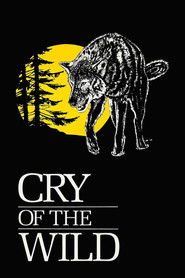
Cry of the Wild
This feature-length documentary from Bill Mason imparts his affection for the big northern timber wolves and the pure-white Arctic wolves. Filmed over three years in the Northwest Territories, British Columbia, the High Arctic and his home near the Gatineau Hills in Quebec, Mason sets out to dispel the myth of the bloodthirsty wolf. Going beyond the wolf's natural habitat, Mason relocated three young wolves to his own property and was able to film tribal customs, mating and birth. As a result, Cry of the Wild offers viewers access to moments in wildlife never before seen on film.Year:
1973
Impressions of Expo 67
This short film served as an invitation to the World's Fair that was held in Montreal in 1967. It was largely considered to be the most successful World's Fair of the 20th century with over 50 million visitors. The film presents impressions of the event and of Montreal at its liveliest and most exciting moment in history.Year:
1967
Jack Rabbit
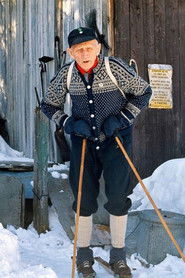
This short film retraces the life of Herman Smith Johannsen – the man who introduced the sport of cross-country skiing to Canadians. From past to present, his life story is portrayed through pictures from sports newsreels, Norwegian archives and his family album. The film catches up with him at both the Canadian Ski Marathon, where he is the honoured guest, and on a return trip to his native Norway.Year:
-
The Scholar in Society: Northrop Frye in Conversation
This film interview affords a glimpse of a bold and learned mind illuminating important social issues. Responding to questions on the related topics of language, democracy, and the role of the modern university, acclaimed literary critic Northrop Frye explains why education is crucial: "A democracy cannot function without articulate citizens." Frye claims that the university is a place where individual liberty becomes possible, as students learn to question beliefs imposed by society. For Frye, reading and writing are "instruments of freedom."Year:
1984

This Was the Time
When Masset, a Haida village in Haida Gwaii (formerly known as the Queen Charlotte Islands), held a potlatch, it seemed as if the past grandeur of the people had returned. This is a colourful recreation of Indigenous life that faded more than two generations ago when the great totems were toppled by the missionaries and the costly potlatch was forbidden by law. The film shows how one village lived again the old glory, with singing, dancing, feasting, and the raising of a towering totem as a lasting reminder of what once was.Year:
1970