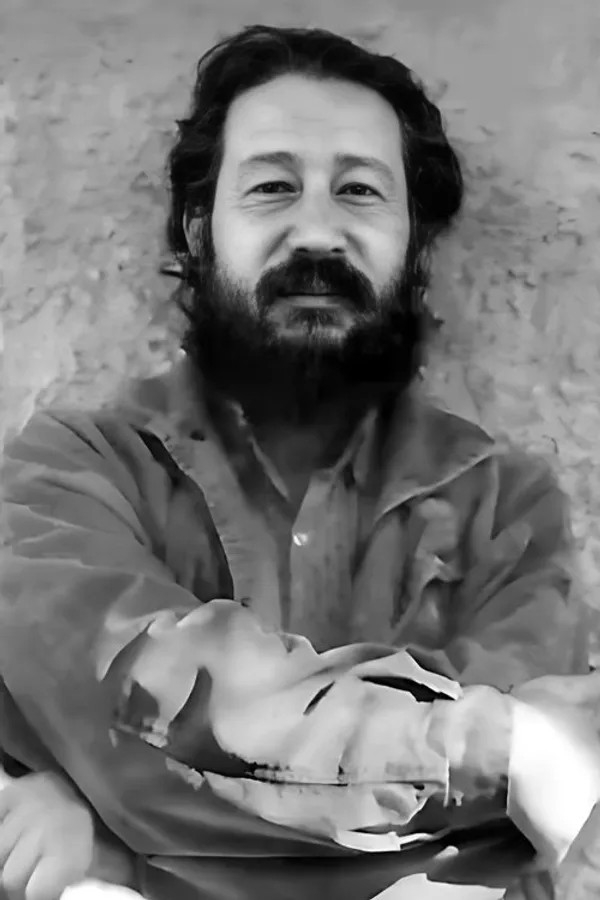
Abdelkrim Baba-Aissa, born February 20, 1949 in Béjaïa (Algeria), nicknamed "Krimo Baba Aissa", is an Algerian actor, screenwriter and director. Self-taught, he made his debut in the theater, then on Algerian television as a assistant, then at ONCIC as director in the 70s.
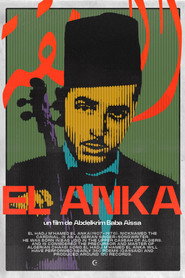
His career in a few dates: In 1976: He played in the film “Omar Gatlato” by Merzak Allouache. In 1978: He was assistant to A. Meddour in the production of the documentary series “Colonialisme Sans Empire”. 1979: Production of the sequel (on Algeria, black Africa, Angola, Iran and Chile). The part on Algeria was banned from broadcast and then destroyed. 1981: Production of the first fiction with the medium-length film “Le Labyrinthe”. 1981 - 1986: Production of the documentary series “El Anka”, “Musiques Du Sahara”, “Nous Pouvants Le Faire”, etc. 1989: Production of "Sous La Cendre", feature-length fiction film, on the daily life of political prisoners, in a detention camp in southern Algeria, from 1939 to 1943. 1992 - 1993: Production of the documentary "Palestine, Une Passion", in 8 episodes, on the Zionist narrative, the occupation of Palestine, and the Palestinian resistance (PLO). 2004: Production of the film "Le Paiement En Kind" on the fight of women through different periods of Algeria (Ottoman, French colonization, war of independence, ceasefire of March 1962, "Black Decade"). 1970: Committed plays “The Land To Those Who Work It” and “The Situation of Women in Algeria”. 1976: Production of the first short film “La Calligraphie Arabe” and 2 documentaries on the Algerian school.
In a series of interviews filmed in 2024, Abdelkrim Baba Aissa, aged 75, speaks in an interview with journalist Thoria Smati. They discuss the chronology of his career, the interview is posted on the director's YouTube account: https://www.youtube.com/watch?v=4PoqRnfR8ZA